Skip to main content Skip to footer
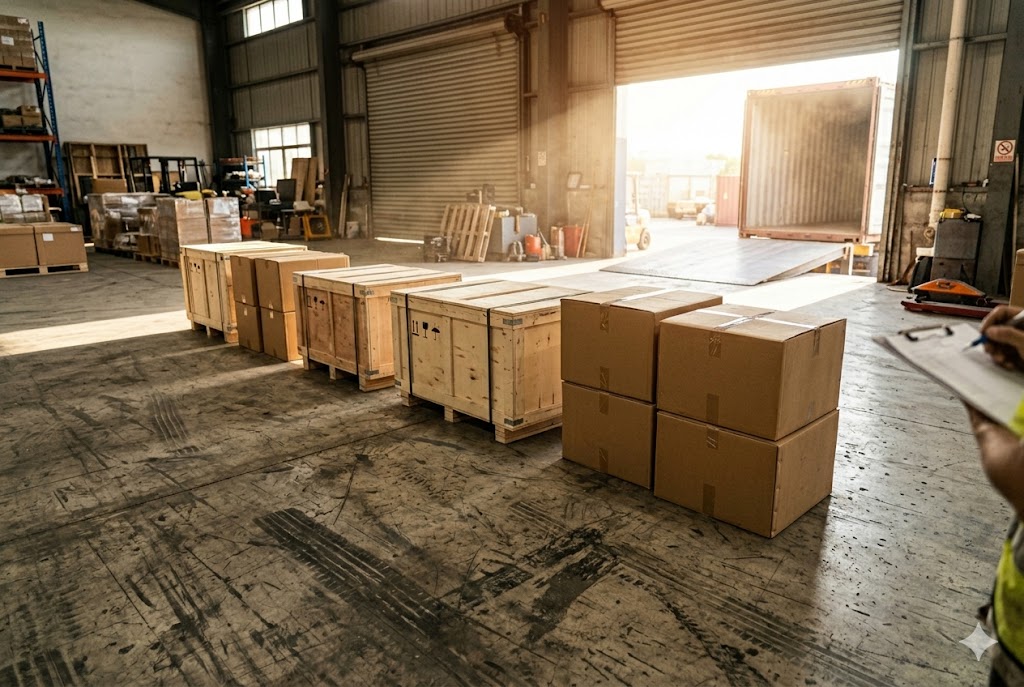
Every year, we watch shipments get stuck at US ports — not because the parts are defective, but because the paperwork is wrong. When our supply chain team coordinates exports for clients, documentation errors are the single most common reason a container gets flagged by CBP.
To avoid customs clearance problems when importing custom CNC machined parts from China, confirm the correct 10-digit HTS code with a licensed US customs broker, file your ISF at least 24 hours before vessel loading, ensure all documents match exactly, and use precise product descriptions on your commercial invoice. These steps eliminate the most common causes of CBP holds.
Get these basics right, and most shipments clear on arrival day. Get them wrong, and you are paying demurrage fees while your production line waits. Here is exactly what to do.
What Documents Should I Verify Before a Shipment Leaves China?
Experienced buyers know this: by the time the vessel departs, it is too late to fix a document problem cheaply. Our operations team checks every document set before cargo loading, because a single mismatch can cost far more than the parts themselves.
Before a shipment leaves China, verify the commercial invoice, packing list, bill of lading, certificate of origin, and ISF filing. Every document must match — same product description, same declared value, same quantity, same HTS code. Any inconsistency triggers a CBP manual examination and can delay release by days or weeks.
The Core Document Set
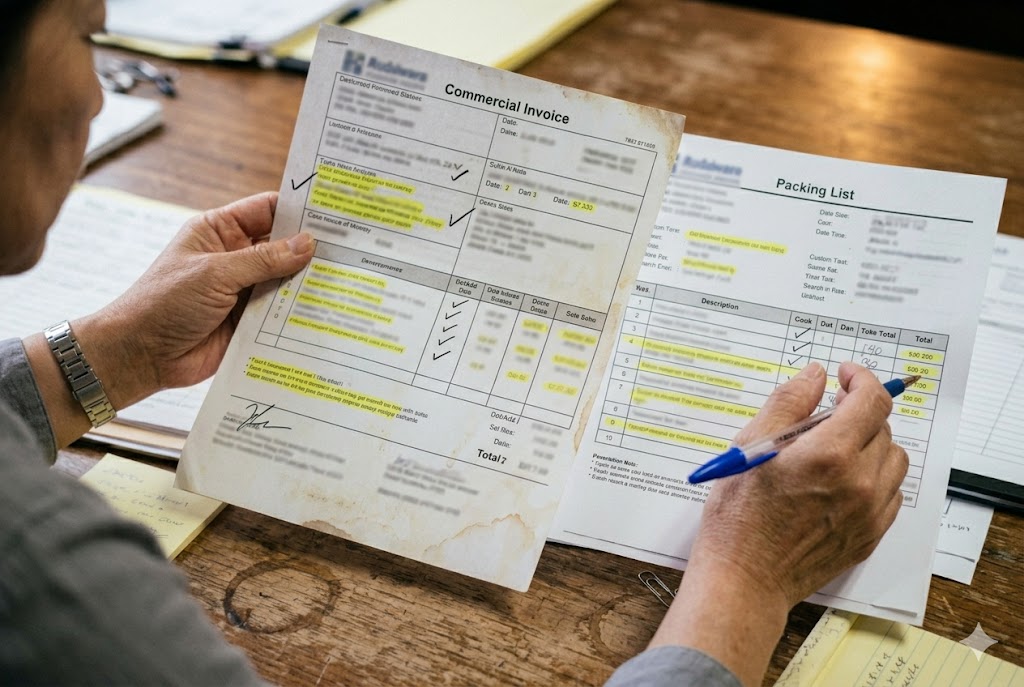
CBP cross-checks four documents against each other: the commercial invoice, packing list, bill of lading, and ISF. They check product description, declared value, quantity, weight, HTS code, buyer name, seller name, and Incoterm. If any of these fields conflict across documents, even slightly, the entry is flagged for manual examination.
A unit count difference between the invoice and the packing list is enough. A weight discrepancy between the packing list and the bill of lading is enough. Do not assume these are minor clerical issues. CBP treats them as risk signals.
Document Verification Checklist
| Document | What to Check | Common Error |
|---|---|---|
| Commercial Invoice | Product description, HS code, declared value, buyer/seller names, Incoterm | Vague descriptions like "machined parts" or "metal components" |
| Packing List | Quantity, weight (gross and net), number of cartons | Quantity mismatch with invoice |
| Bill of Lading | Shipper, consignee, notify party, description, vessel and port details | Consignee name spelled differently than invoice |
| ISF Filing | Manufacturer, seller, buyer, ship-to party, HTS code, country of origin | Filed late or after vessel departure from China |
| Certificate of Origin | Declared origin matches all other documents | Form A vs. standard CO confusion for duty preference programs |
Why the Certificate of Origin Matters More Than You Think
For CNC machined parts from China, the certificate of origin affects Section 301 duty liability. If your parts are manufactured in Vietnam at our factory there, the CO must correctly state Vietnam origin and be supported by production records. Misrepresenting origin — even unintentionally — is a serious customs violation. Always confirm with your supplier exactly where the parts are manufactured before the CO is issued.
The ISF Deadline Is Not When the Ship Arrives
This is one of the most costly misunderstandings we see. The Importer Security Filing (ISF) 1 — must be submitted at least 24 hours before cargo is loaded onto the vessel in China. Not 24 hours before the ship arrives at a US port. Late ISF filings carry penalties of up to $5,000 per violation. One missing ISF on a machine tool import resulted in a two-week hold and $7,800 in storage fees. Confirm with your freight forwarder or broker that the ISF is filed and accepted before the loading date.
Build a Permanent Document Template for Each Part Number
Do not reconstruct documents from scratch every order cycle. For every part number you import regularly, maintain a file that includes the confirmed 10-digit HTS code, a sample compliant invoice description, the required mill certificate template, and any UFLPA supply chain declarations. Reusing this file eliminates the documentation errors that happen when details are looked up again under time pressure.
How Can Incorrect Descriptions or Codes Create Customs Delays?
When we review returned or delayed entries for clients, the most avoidable cause is always the same: a product description that does not say enough. CBP officers cannot approve what they cannot classify.
Incorrect HTS codes and vague product descriptions are the leading causes of CBP examination for CNC machined parts. CNC parts often sit at classification boundaries between chapters 73, 84, and 85. A wrong code triggers reclassification penalties, incorrect duty calculations, and examination holds. Precise, technically specific descriptions reduce examination probability significantly.
Why CNC Parts Are Hard to Classify
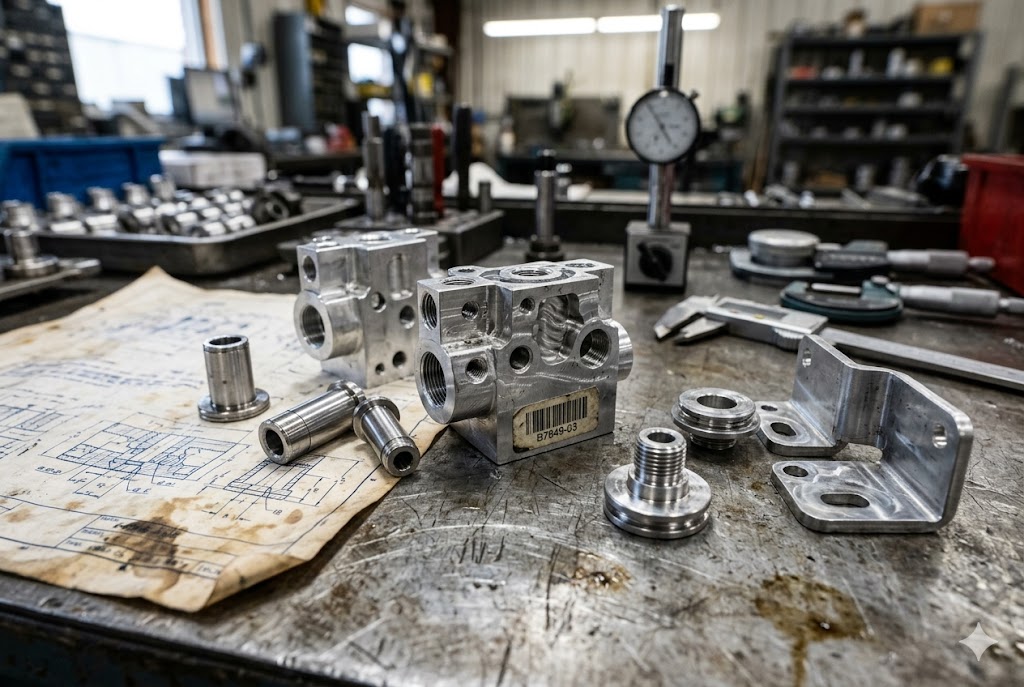
CNC machined parts do not have a single HTS chapter. Classification depends on material, function, and the industry the parts serve. A machined aluminum bracket used in an industrial pump falls under a different code than the same bracket used in an electronic device. The distinction matters because Section 301 tariff rates 2 differ, and misclassification creates a liability that can be assessed retroactively during a CBP audit.
HTS Classification Guide for Common CNC Part Types
| Part Type | Typical Material | Likely HTS Chapter | Key Classification Factor |
|---|---|---|---|
| Structural brackets, housings | Aluminum, steel | Chapter 73 or 76 | Material is the primary driver |
| Pump bodies, valve components | Stainless steel, brass | Chapter 84 | Function as part of machinery |
| Motor shafts, gears, drive parts | Steel, alloy | Chapter 84 | Function in mechanical transmission |
| Connectors, contacts, enclosures | Copper, aluminum | Chapter 85 | Function in electrical/electronic equipment |
| Fasteners, fittings | Steel, brass | Chapter 73 | Form and material |
Work with a licensed customs broker who handles CNC or precision machined parts regularly. The classification distinctions between HTS chapters 84 and 85 3 require product-specific knowledge. A general-purpose broker may not know which CBP ports have faster examination queues for machined metal parts, or how to pre-position documents to minimize hold time if an exam is selected.
What a Compliant Invoice Description Looks Like
Generic descriptions are the single most common trigger for CBP exam requests. Here is the difference:
Non-compliant: "Machined parts" / "Metal components" / "Accessories" / "Samples"
Compliant: "CNC machined hydraulic valve body, 6061-T6 aluminum, for use in industrial fluid control equipment, HTS 8481.80.9090"
The compliant version gives CBP the material, manufacturing process, function, end-use industry, and HTS code. The officer can classify and value the goods from the invoice alone. That reduces the probability of a hold to near zero for a correctly filed entry.
Section 301 Tariffs and Classification Errors
CNC machined parts from China are subject to Section 301 tariffs, and the applicable rate depends entirely on the correct HTS code. A misclassification that puts parts in a lower-duty chapter is not a lucky break — it is a compliance liability. CBP can assess additional duties, interest, and penalties retroactively if the error is discovered during a focused assessment or audit. Confirm the code before the first shipment, and document the classification rationale in writing. Using the CBP Customs Rulings Online Search System (CROSS) 4 to review prior rulings on similar parts is one of the most effective ways to validate your classification before filing.
The UFLPA Risk for Metal Parts
The Uyghur Forced Labor Prevention Act (UFLPA) 5 enforcement expanded in 2025–2026 to prioritize aluminum, copper, and steel — the primary materials in CNC machined parts. The law creates a rebuttable presumption that goods with supply chain links to Xinjiang are prohibited from US entry. The burden of proof falls entirely on the importer. Require your supplier to provide mill certificates stating the smelting and casting country of all metal inputs, and confirm that none of the named entities appear on the UFLPA Entity List. This must be part of your standard pre-shipment documentation checklist.
Should I Review Commercial Invoices and Packing Lists Myself?
Some purchasing managers delegate all document review to their freight forwarder. That works until it does not. When something goes wrong, the liability sits with the importer of record — not the forwarder.
Yes, you should personally review commercial invoices and packing lists before every shipment. As the importer of record, you are legally responsible for the accuracy of all declarations made to CBP. Your freight forwarder files documents on your behalf, but errors and omissions create penalties and compliance liabilities that fall on you, not them.

What You Are Actually Signing Off On
When your customs broker files an entry on your behalf in the Automated Commercial Environment (ACE) 6, the entry declaration is made in your name as importer of record. CBP's "reasonable care" standard requires you to take appropriate steps to ensure the accuracy of that declaration. Delegating without reviewing does not satisfy that standard. If CBP finds a valuation error or misclassification in an audit, the penalty assessment goes to you.
A Practical Invoice Review Checklist
You do not need to spend an hour on each invoice. A structured review takes five to ten minutes and catches the errors that matter.
| Field | What to Verify | Why It Matters |
|---|---|---|
| Product description | Specific, matches agreed spec | Vague descriptions trigger CBP examination |
| HTS code | 10-digit, confirmed with broker | Determines duty rate and Section 301 liability |
| Declared value | Matches purchase order | Value inconsistency triggers valuation review |
| Incoterm | Matches contract | Affects dutiable value calculation |
| Quantity and unit | Matches packing list exactly | Any mismatch flags the entry |
| Buyer and seller names | Match ISF and bill of lading | Name inconsistency triggers manual review |
| Country of origin | Correct, supported by CO | Affects duty rate and UFLPA compliance |
Declared Value Consistency Is a Compliance Asset
CBP uses historical entry data to build risk profiles. If the declared unit value on a shipment drops significantly from prior orders without a documented reason — such as a volume discount recorded in a price agreement — CBP may open a valuation review. Keep purchase orders that match invoice values. Document any legitimate price changes in writing. Never accept a supplier's suggestion to declare a lower value. Intentional undervaluation is customs fraud, and the fact that the supplier proposed it is not a defense.
When to Push Back on Your Supplier's Draft Invoice
Suppliers occasionally issue draft invoices with descriptions optimized for their own documentation system rather than US customs compliance. If you receive a draft invoice with a vague description, a missing HTS code, or a declared value that does not match your purchase order, reject it and request a corrected version before the goods are shipped. Once cargo is loaded and documents are filed, corrections require a formal entry amendment and add delays.
Pre-Filing in ACE: One Step Most Importers Skip
Formal entry can be pre-filed in ACE 24 to 72 hours before the vessel arrives at the US port. Pre-filing allows CBP to review and release the entry before the ship docks, so goods are available for pickup on arrival day rather than waiting in the examination queue at the terminal. This is standard practice for high-volume importers and one of the most effective ways to eliminate port detention time. The ISF "10+2" filing regulation 7 that governs these submissions is codified under 19 CFR Part 149 — ask your broker if they are pre-filing your entries, as many do not unless asked.
What Can I Do Before Shipping to Reduce Clearance Risk?
Reducing clearance risk is not reactive work. It is a system you build before the first shipment of any new part, and maintain consistently across every order cycle.
Before shipping, confirm the HTS code with a licensed broker, file ISF on time, pre-file your formal entry in ACE, obtain UFLPA-compliant mill certificates from your supplier, and use a continuous customs bond. These five steps, applied consistently, eliminate the most common causes of CBP examination and port holds for CNC machined parts.
Choose the Right Customs Broker
Not all brokers are equally useful for CNC machined parts. Appoint a licensed customs broker who has prior experience with precision machined metal parts from China. The classification distinctions that matter most — between HTS chapters 73, 84, and 85, and between different Section 301 lists — require product-specific knowledge. Ask prospective brokers directly: how many entries do you file for machined metal parts annually? Which CBP ports do you work with most often for this commodity? A broker who handles these regularly will know operational details that reduce your exposure.
Use a Continuous Bond
A continuous customs bond 8 costs approximately $300 to $600 annually for moderate import volumes and covers all entries under your EIN for the year. Compared to single-entry bonds, which are priced per shipment, a continuous bond eliminates per-shipment bond fees and signals to CBP that you are an established, compliant importer. This marginal signal reduces your probability of being selected for random examination targeting. If you import more than five or six shipments per year, a continuous bond is almost always the better economic choice.
Pre-Shipment Action Timeline
| Timing | Action | Who Is Responsible |
|---|---|---|
| When part is new or first import | Confirm 10-digit HTS code with broker | You + licensed broker |
| Before purchase order is finalized | Agree on invoice description language with supplier | You + supplier |
| Before cargo is loaded | Obtain UFLPA mill certificates from supplier | You + supplier |
| 24+ hours before vessel loading | Confirm ISF is filed and accepted | Your freight forwarder |
| 24–72 hours before vessel arrival | Pre-file formal entry in ACE | Your customs broker |
| On arrival | Confirm entry status in ACE; arrange pickup | You + broker |
Build a Part-Level Documentation File
For every part number you import regularly, maintain a permanent documentation file. Include the confirmed HTS code and written classification rationale, a sample compliant invoice description, the mill certificate template required from your supplier, and any UFLPA supply chain declarations obtained from previous shipments. Reusing this file for every repeat shipment eliminates documentation errors that occur when these details are reconstructed from scratch. It also provides the "reasonable care" evidence CBP requires in the event of an audit or penalty proceeding.
Plan for Vietnam-Origin Parts Differently
If you are sourcing parts from our Vietnam operation to reduce Section 301 tariff exposure on Chinese-origin goods 9, the compliance requirements are different and in some ways more complex. Vietnam-origin parts require a valid certificate of origin issued by a Vietnamese authority, and production records must support the claimed transformation in Vietnam. CBP has increased scrutiny on Vietnam-origin claims for machined metal parts in 2025–2026 as part of broader enforcement on tariff circumvention. Ensure your supplier can provide complete production documentation before you declare Vietnam origin.
The 2025 UFLPA enforcement strategy update from DHS 10 also added copper and steel as new high-priority enforcement sectors, joining aluminum, which was already a priority. This means any CNC machined parts containing these materials now face a higher probability of CBP examination and must be accompanied by comprehensive supply chain documentation before vessel departure.
Conclusion
Customs clearance problems with CNC machined parts from China are almost always preventable. Get the HTS code right, file the ISF on time, match all documents precisely, describe your products specifically, and review your invoices yourself. Build these habits into every order cycle and port holds become rare.
Footnotes
1. CBP's official ACE portal: the central system for ISF filings and US import entry processing. ↩︎
2. Current Section 301 tariff rates and lists for Chinese-origin goods by HTS code. ↩︎
3. Expert guide to distinguishing HTS Chapter 84 machinery parts from Chapter 85 electrical equipment. ↩︎
4. CBP's official customs ruling search system to verify classification of similar imported products. ↩︎
5. DOL overview of the UFLPA rebuttable presumption and enforcement obligations for importers. ↩︎
6. CBP's Automated Commercial Environment: the single US portal for filing import and export data. ↩︎
7. Official eCFR text of 19 CFR Part 149 governing ISF "10+2" filing requirements and deadlines. ↩︎
8. Explanation of ISF filing requirements, penalties, and the role of continuous customs bonds. ↩︎
9. Analysis of how 2025 tariff changes affect CNC import costs and Vietnam-origin sourcing decisions. ↩︎
10. DHS 2025 UFLPA strategy update designating copper and steel as new high-priority enforcement sectors. ↩︎