Skip to main content Skip to footer
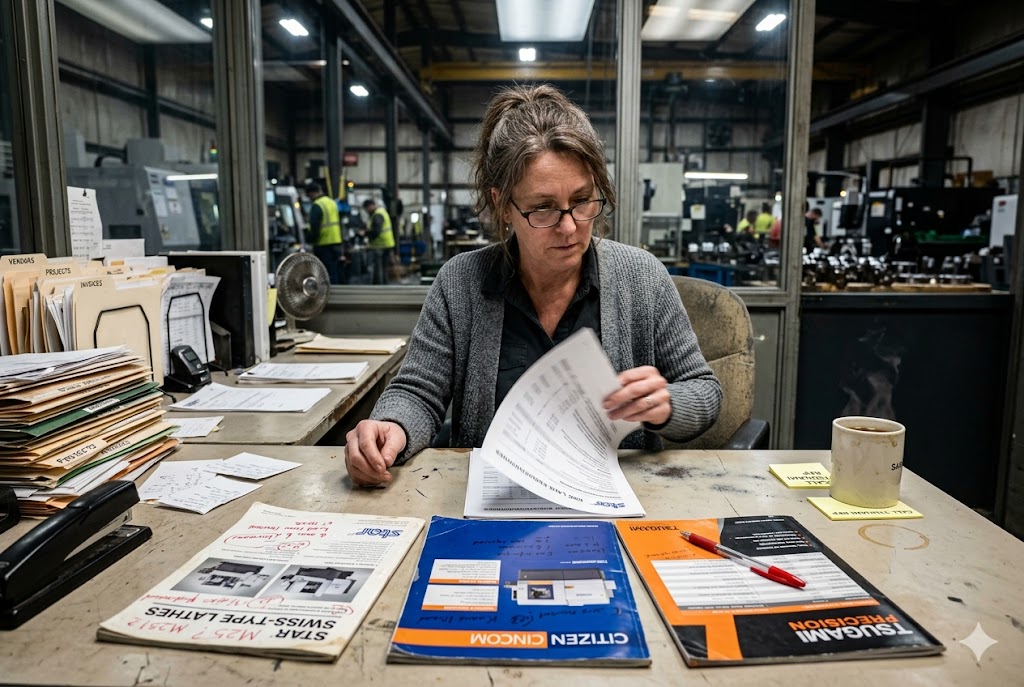
We source Swiss-type lathe work every week for clients across North America. When a drawing lands on our desk with a 6mm diameter and a ±0.005mm tolerance, the first question is not just "can someone make this?" — it is "which machine will hold this?"
Star, Citizen, and Tsugami are all Japanese-origin Swiss-type lathe brands capable of high-precision small-diameter work. Citizen leads on control sophistication and chip management. Star leads on live tooling and rigidity. Tsugami offers lower entry cost with flexible guide-bushing options. The best choice depends on your part geometry, material, and production volume.
All three brands come up constantly in conversations with factories. Understanding the differences helps you write better drawings, ask better questions, and pick the right supplier.
Which Swiss-Type Lathe Brand Is Preferred for Medical Micro-Parts Versus Industrial Connector Pins?
Different parts have different demands. In our experience managing production for medical and electronics clients, the wrong machine choice shows up in your first inspection report.
For medical micro-parts under 10mm in titanium or stainless, Citizen Cincom is the most widely preferred platform due to its LFV chip-breaking technology and control precision. For connector pins in brass or mild steel at high volume, Star and Tsugami both perform reliably and offer cost advantages over Citizen-equipped shops.
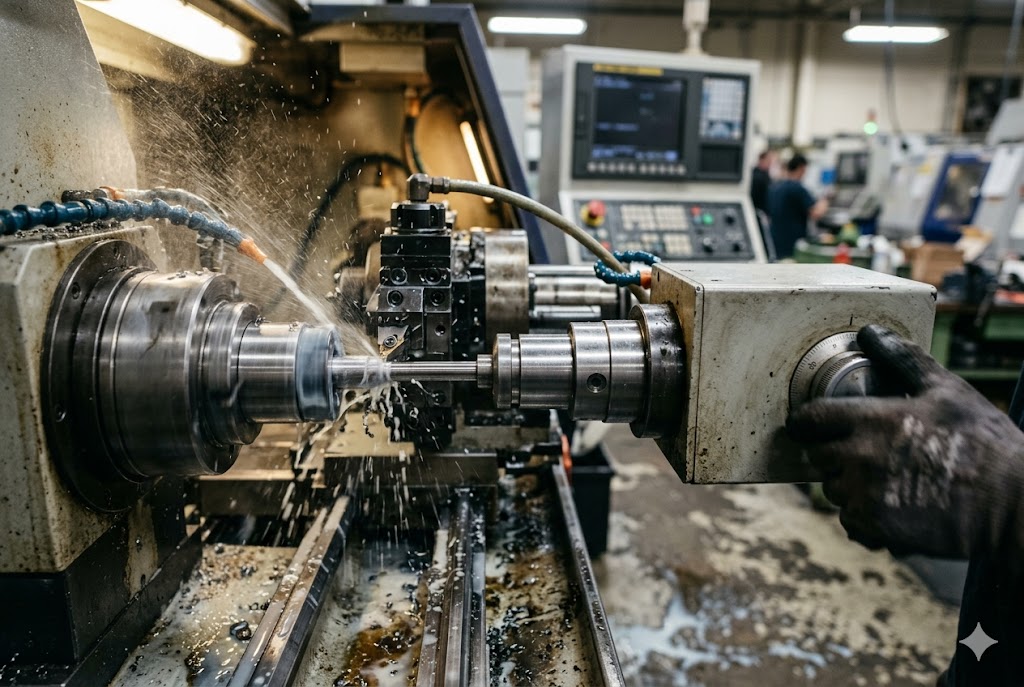
Medical Micro-Parts: Why Citizen Dominates
Medical parts are unforgiving. A bone screw with a wrong helix angle or a surgical shaft with a torn surface finish is not reworkable — it is scrapped.
Citizen's Low Frequency Vibration (LFV) technology 1 is the key differentiator here. The system synchronizes servo-axis vibration with spindle rotation. This creates controlled air-cutting intervals that break chips before they wrap. In titanium and Inconel — both common in implants — stringy chips are the main cause of surface damage and tool breakage. LFV removes that risk at the machine level.
Citizen has expanded LFV to four simultaneous axes on select models. For shops running lights-out overnight production of small implant components, this matters enormously. You reduce scrap from unmanned shifts and maintain surface finish consistency across thousands of parts.
| Feature | Citizen Cincom | Star Micronics | Tsugami |
|---|---|---|---|
| Chip-breaking system | LFV (servo-synchronized) | HFT (High Frequency Turning) | Standard + optional oscillation |
| Best material for chip control | Titanium, Inconel, stainless | Aluminum, steel, brass | Brass, steel, plastics |
| Lights-out suitability | High | Medium-High | Medium |
| Medical implant focus | Strong | Moderate | Strong (bone screws) |
Connector Pins: Where Star and Tsugami Compete
Connector pins are typically brass, phosphor bronze, or mild steel. Diameters range from 0.5mm to 10mm. Tolerances are tighter than standard turning but not at the same level as surgical instruments.
Here, Citizen's premium price per machine hour may not be justified. Star machines running High Frequency Turning (HFT) handle brass connector pins cleanly. Tsugami machines — especially the SS327 series — are widely used in Chinese connector factories because the entry cost is lower and the guide-bushing flexibility 2 allows switching between Swiss mode and chucker mode on the same machine.
Tsugami's Edge for Bone Screws
One specific application where Tsugami stands out is orthopedic bone screws. Tsugami's B-axis implementation uses a servo-driven modular spindle. It can machine compound angles and thread whirling operations 3 in a single setup. For sculpted helix angles on bone screws, this single-setup capability reduces repositioning errors and keeps tolerances consistent across a batch.
| Application | Recommended Brand | Reason |
|---|---|---|
| Surgical implants (titanium) | Citizen | LFV chip control, surface finish consistency |
| Bone screws (SS/titanium) | Tsugami | B-axis thread whirling, single-setup flexibility |
| Connector pins (brass) | Star or Tsugami | Live tooling performance, lower cost per part |
| Aerospace shafts (Inconel) | Citizen | Control reliability, chip management |
| Electronics terminals | Star | High live tool RPM, cycle time efficiency |
Does the Brand of Swiss-Type Lathe a Factory Uses Affect the Tolerances I Can Specify on My Drawing?
This question comes up often. Purchasing managers sometimes assume that if a factory has a "Swiss lathe," tolerances are effectively unlimited. That is not accurate.
Yes, the machine brand and model affect achievable tolerances. Citizen and Star machines in good condition can hold ±0.003mm to ±0.005mm on diameter in favorable conditions. Tsugami machines typically hold ±0.005mm to ±0.010mm as a practical working range. Machine age, maintenance condition, and operator skill also affect what a factory can reliably promise.
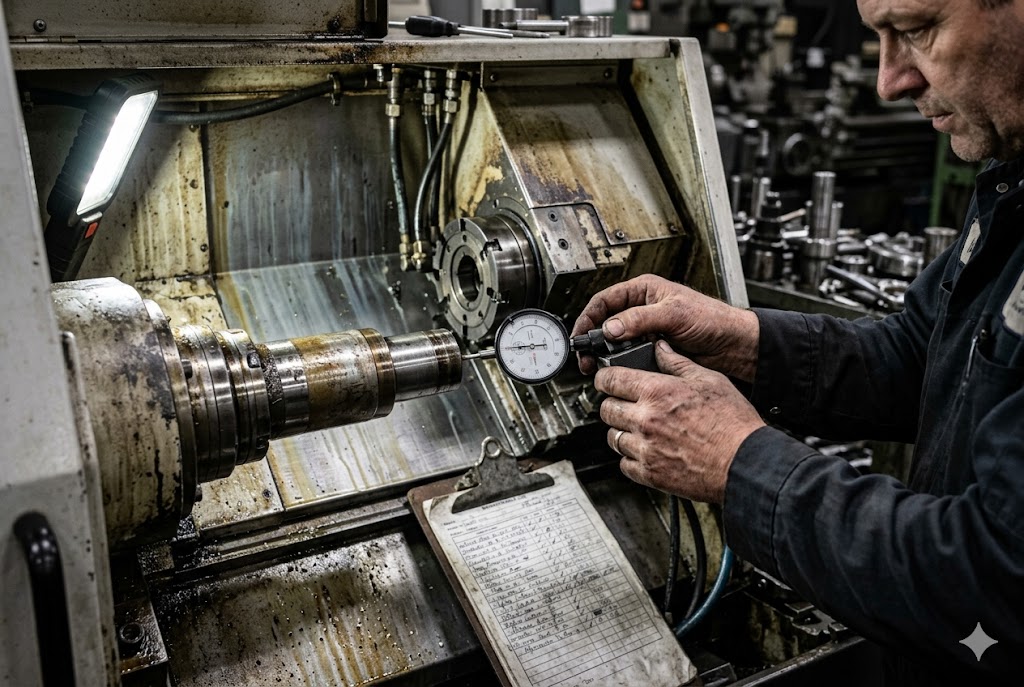
What Controls Tolerance: Machine vs. Process
The machine brand is one factor. It is not the only one. Three things together determine what tolerance a factory can guarantee:
- Machine capability — thermal stability, spindle runout, axis repeatability
- Tooling quality — insert grade, tool holder rigidity, coolant delivery
- Process control — operator experience, in-process gauging, environment temperature
A well-maintained older Citizen machine will outperform a poorly maintained new Tsugami. A shop with consistent in-process gauging will hold tighter tolerances than one that only measures finished parts.
Tolerance Ranges by Brand and Condition
| Machine Brand | Typical Diameter Tolerance | Typical Roundness | Best-Case (Controlled Environment) |
|---|---|---|---|
| Citizen Cincom (current gen) | ±0.003–0.005mm | 0.002mm | ±0.002mm |
| Star Micronics (current gen) | ±0.003–0.005mm | 0.002mm | ±0.002mm |
| Tsugami (current gen) | ±0.005–0.010mm | 0.003–0.005mm | ±0.003mm |
| Any brand (10+ years old, worn) | ±0.010–0.020mm | Varies | Not predictable |
What This Means for Your Drawing
If your drawing calls for ±0.005mm on a shaft diameter, a factory with a current-generation Citizen or Star machine can hit this reliably in production — not just in a sample run. A Tsugami-only factory may hit it on samples but struggle to maintain it across 10,000 pieces without 100% inspection.
If your tolerance is ±0.010mm or looser, almost any modern Swiss lathe — including older Tsugami or Star machines — will handle it without special process controls.
If you are below ±0.003mm, you are entering territory where machine brand alone is not the answer. You also need a temperature-controlled room, high-precision tooling, and a shop with a formal statistical process control (SPC) 4 process.
Ask the Right Questions
When qualifying a supplier, do not just ask "what brand of machine do you use?" Ask:
- How old are the machines?
- What is your machine preventive maintenance schedule?
- Do you have in-process gauging on Swiss turning cells?
- What is your process capability index (Cpk) 5 for this feature type?
These questions tell you more than brand names alone.
How Do Japanese Swiss-Type Lathe Brands Compare to European or Taiwanese Alternatives in China?
Most Swiss-type lathes running in Chinese factories today are Japanese. But European and Taiwanese alternatives exist. Our team has visited hundreds of factories across Guangdong, Zhejiang, and Jiangsu. We see a clear pattern.
In Chinese factories producing export-grade precision parts, Japanese brands — Citizen, Star, Tsugami — dominate Swiss-type lathe installations. European brands like Tornos and Schutte are present in higher-end shops but are less common. Taiwanese brands are rarely used for Swiss-type turning at export-grade tolerance levels.
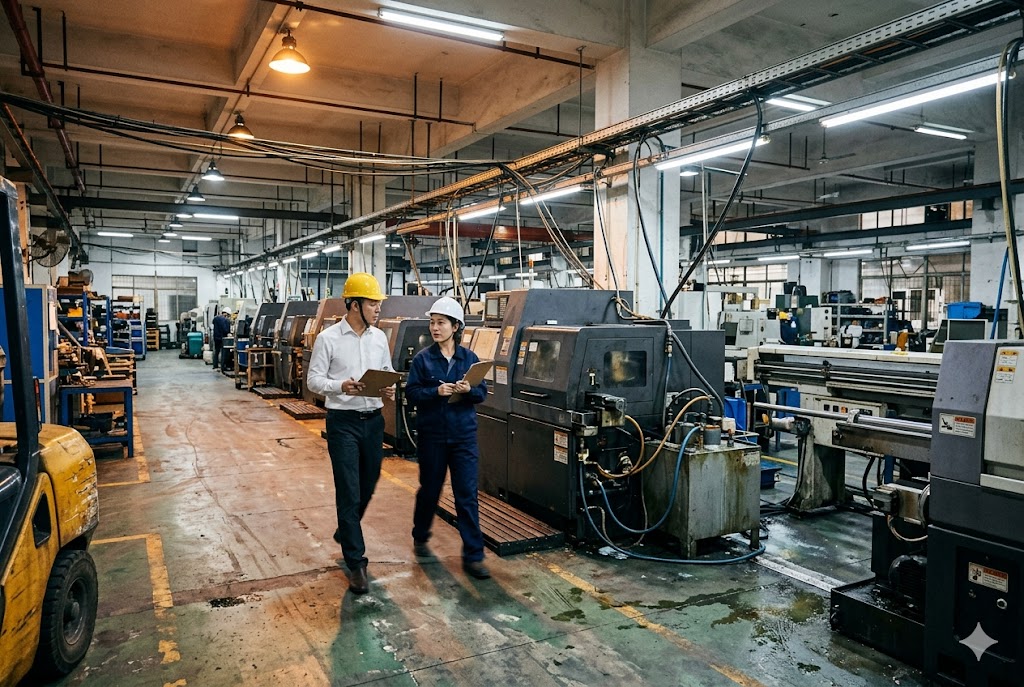
Why Japanese Brands Dominate in China
Three reasons explain this clearly.
Parts availability. Citizen, Star, and Tsugami all have established dealer and service networks in China. Spare parts arrive quickly. Downtime from waiting for parts is shorter than with European machines, where lead times can be weeks.
Operator familiarity. Most Swiss lathe operators and programmers in China learned on Citizen or Star machines. Retraining for a European brand takes time and increases error risk during the learning period.
Price-to-performance ratio. Japanese machines — especially Tsugami — are priced competitively for Chinese factories operating on thin margins. European machines like Tornos deliver excellent performance but at a price point that requires high-margin work to justify.
European Alternatives: Tornos and Schutte
Tornos (Swiss) and Schutte (German) produce high-quality Swiss-type lathes. Some precision factories in China — particularly those supplying European automotive and watchmaking clients — run Tornos machines specifically because their European clients prefer or require it.
Tornos Sigma and Deco lines offer excellent multi-spindle capability 6 and Swiss precision. The control systems are sophisticated. But service support in China is limited compared to Japanese brands, and machine costs are significantly higher.
Taiwanese Alternatives
Taiwanese CNC builders produce Swiss-style lathes at competitive prices. However, in our factory audits, Taiwanese Swiss-type machines in China are mostly used for tolerances in the ±0.010–0.020mm range. For tighter work — the kind US importers typically need — Chinese factories with serious quality systems almost always use Japanese brands.
| Brand Origin | Common Models in China | Tolerance Range | After-Sales Support in China | Relative Cost |
|---|---|---|---|---|
| Japan (Citizen) | L20, M32, A32 | ±0.003–0.005mm | Excellent | High |
| Japan (Star) | SR-20, SB-16, SR-38 | ±0.003–0.005mm | Good | High |
| Japan (Tsugami) | SS327, B0205 | ±0.005–0.010mm | Good | Medium |
| Switzerland (Tornos) | Sigma 32, Deco 20a | ±0.003–0.005mm | Limited | Very High |
| Germany (Schutte) | SC series | ±0.003–0.005mm | Limited | Very High |
| Taiwan (various) | Multiple | ±0.010–0.020mm | Variable | Low-Medium |
Can I Request That My Parts Be Machined on a Specific Brand of Swiss-Type Lathe?
Some buyers have asked us this directly. The short answer is yes — but with conditions. Making this request without understanding the factory's setup can backfire.
You can request a specific Swiss-type lathe brand in your supplier agreement or purchase order, and serious contract manufacturers will respect this. However, the more effective approach is to specify the tolerance, surface finish, and material requirements clearly on your drawing and then audit whether the factory's equipment and process are capable of meeting them.

When a Brand Specification Makes Sense
There are legitimate cases where specifying the brand matters:
Customer or industry requirement. Some aerospace and medical OEMs specify machine brands in their approved manufacturing records. If your downstream customer requires Citizen Cincom for a certain part family, you need to pass that requirement to your supplier.
Chip-control-critical materials. If your part is titanium or Inconel and you know Citizen's LFV is the only mature solution for lights-out production at volume, specifying Citizen is reasonable and specific.
Audit trail. For medical device manufacturing under FDA device history record 7 requirements, the equipment used in production is part of the documented manufacturing process. Specifying and verifying the machine brand is a process control measure, not just a preference.
When a Brand Specification Is Counterproductive
For most standard precision parts — stainless steel shafts, brass connector pins, aluminum fittings — specifying a brand limits your supplier pool without adding real quality benefit. A well-run factory with maintained Tsugami machines and good in-process inspection can outperform a careless Citizen-equipped shop.
The better approach is to specify outputs, not inputs:
- Dimensional tolerance per your drawing
- Surface finish Ra value 8
- Required process capability index (Cpk ≥ 1.33, for example)
- In-process inspection frequency
- First article inspection (FAI) 9 report requirement
How We Handle This for Clients
When a client asks us to source from a "Citizen Cincom factory," we do two things. First, we confirm which factories in our network have the specified machines. Second, we still audit the factory's maintenance records and run a process capability study 10 on the relevant feature type. A Citizen machine on paper means nothing if it has not been serviced in three years.
We also build machine type into our supplier qualification records so that when a client's drawing specifies a machine requirement, we can match it without starting the search from zero.
Conclusion
Citizen leads on chip control and control reliability. Star leads on live tooling performance. Tsugami offers value and flexibility. Choose based on your dominant operation type, material, and volume — not brand reputation alone.
Footnotes
1. Real-world case study on how Citizen's LFV chip-breaking technology improves Swiss-type lathe productivity. ↩︎
2. Explains how convertible guide-bushing designs expand the versatility of Swiss-type lathes. ↩︎
3. Details the thread whirling process on subspindles for orthopedic bone screw production. ↩︎
4. ASQ's resource on statistical process control methods for manufacturing quality management. ↩︎
5. ASQ overview of process capability indices including Cpk and how they measure production reliability. ↩︎
6. Modern Machine Shop's guide to understanding Swiss-type machining platforms and their applications. ↩︎
7. Quality Digest guide on first article inspection requirements for regulated manufacturing industries. ↩︎
8. Modern Machine Shop column explaining surface finish parameters Ra and Rz for machined parts. ↩︎
9. Explains what engineers must know about first article inspections and their role in quality control. ↩︎
10. Quality Digest article on interpreting process capability metrics (Cp and Cpk) for production processes. ↩︎