Skip to main content Skip to footer
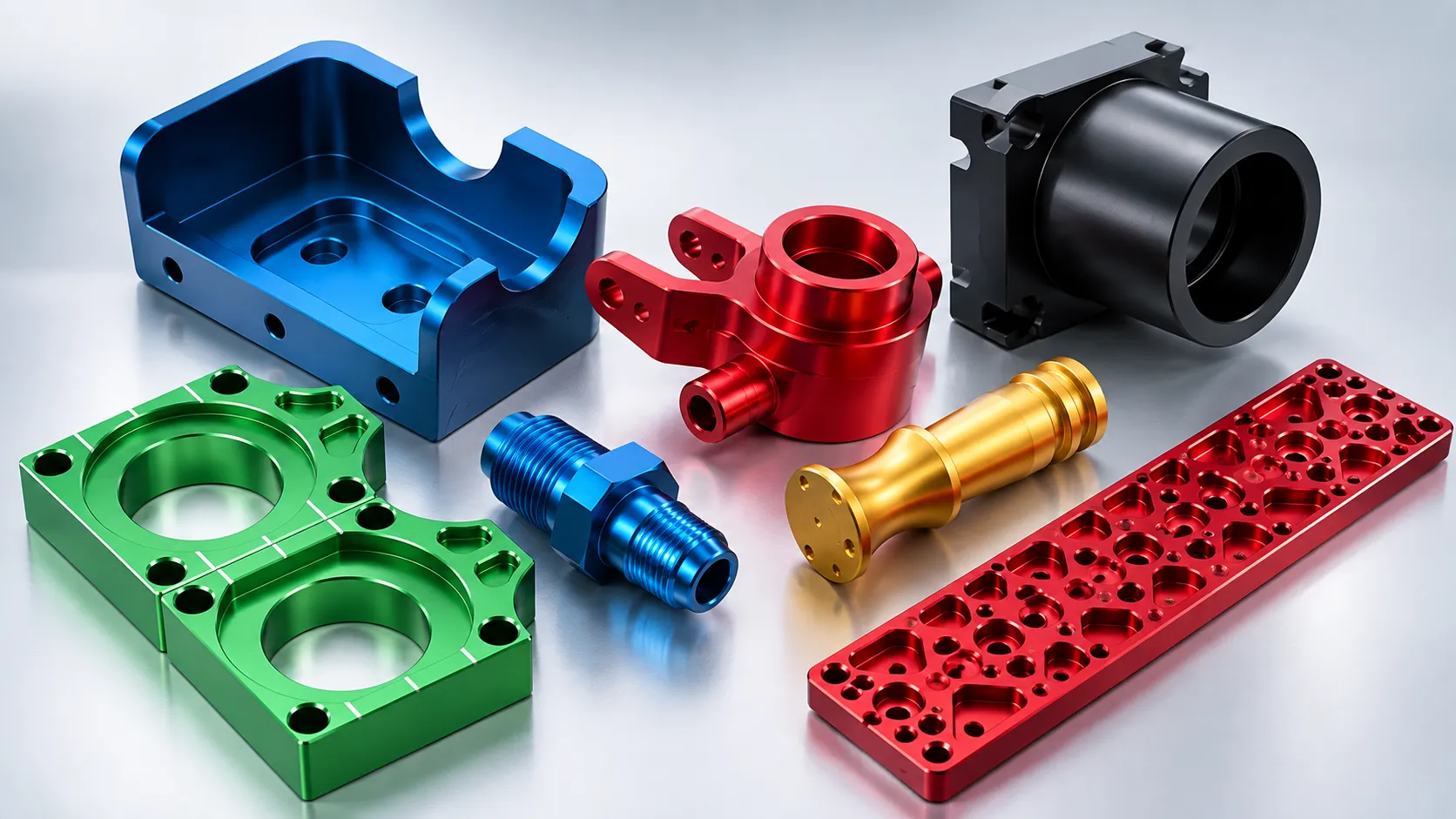
Every time we process a new order, we see the same pattern: buyers focus hard on machining tolerances but barely glance at the finish callouts — until the invoice arrives and the numbers don't match their budget.
Surface finishing affects CNC part cost through multiple layers: direct treatment charges, subcontractor coordination margins, masking labour, post-finish re-inspection, and added lead time. For small batches, finishing can easily add 20–60% on top of the base machining price, depending on the process selected and how finish requirements are specified on the drawing.
Once you understand where each cost comes from, you can make smarter decisions at the drawing stage — before a single quote is sent.
Which Finishing Processes Add the Most Cost to CNC Parts?
Not all finishes are created equal, and some cost structures catch buyers completely off guard the first time they see a detailed quote. Our sourcing team compares finishing quotes across dozens of factories every month, so the patterns are clear.
The most expensive finishing processes per part are Type III hard anodize, electroless nickel plating, PTFE-impregnated coatings, and chromate conversion on small batches. These specialty treatments can match or exceed the base machining cost per part. By contrast, as-machined finish costs nothing extra, and bead blasting adds only $1–3 per small-to-medium component.
The Finishing Cost Ladder
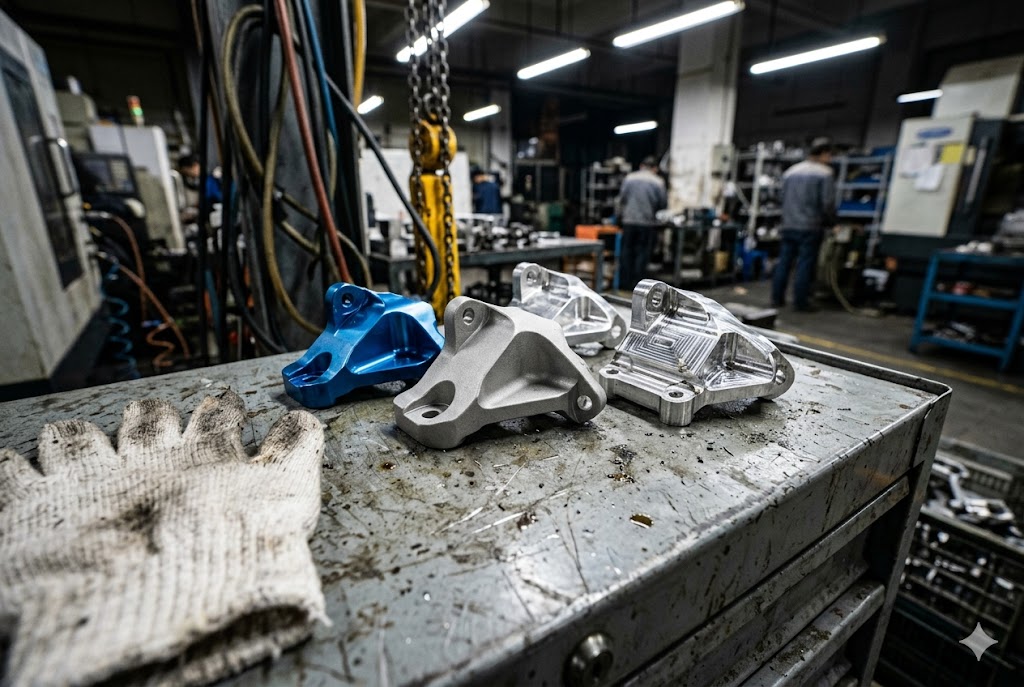
Think of finishing processes as a ladder. Each rung costs more than the one below it. Here is how they stack up for a typical small aluminium component:
| Finishing Process | Typical Added Cost (Small Parts) | Corrosion Resistance | Notes |
|---|---|---|---|
| As-machined | $0 | Low | Tool marks visible; Ra 3.2 µm milled, Ra 1.6 µm turned |
| Bead blasting | $1–3 | Low | Uniform matte texture; no chemical coating |
| Type II clear anodize | $2–8 | Medium | Most competitive wet process in China |
| Type II colour anodize | $3–10 | Medium | Adds dye cost and colour approval step |
| Powder coating | $4–12 | High | Better value on large or complex-geometry parts |
| Type III hard anodize | $10–25+ | Very high | Thicker, harder layer; tighter process control needed |
| Electroless nickel / PTFE | $15–35+ | Very high | Can match base machining cost on small runs |
Why Specialty Finishes Hit Small Orders Hard
Finishing subcontractors in China charge a minimum lot fee regardless of how many parts are in the batch. If you order five parts and the minimum lot charge for Type III hard anodize 1 is $80, you pay $16 per part in minimum charges alone — before the per-part treatment rate applies. This structure hits prototype and small-batch orders hardest.
The Hidden Cost: Subcontractor Coordination
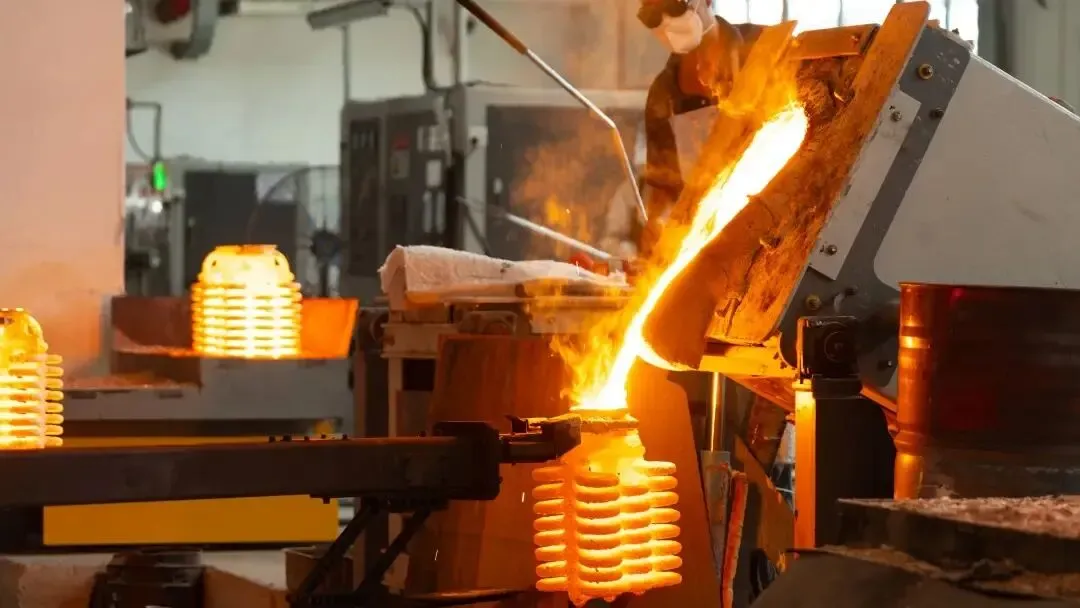
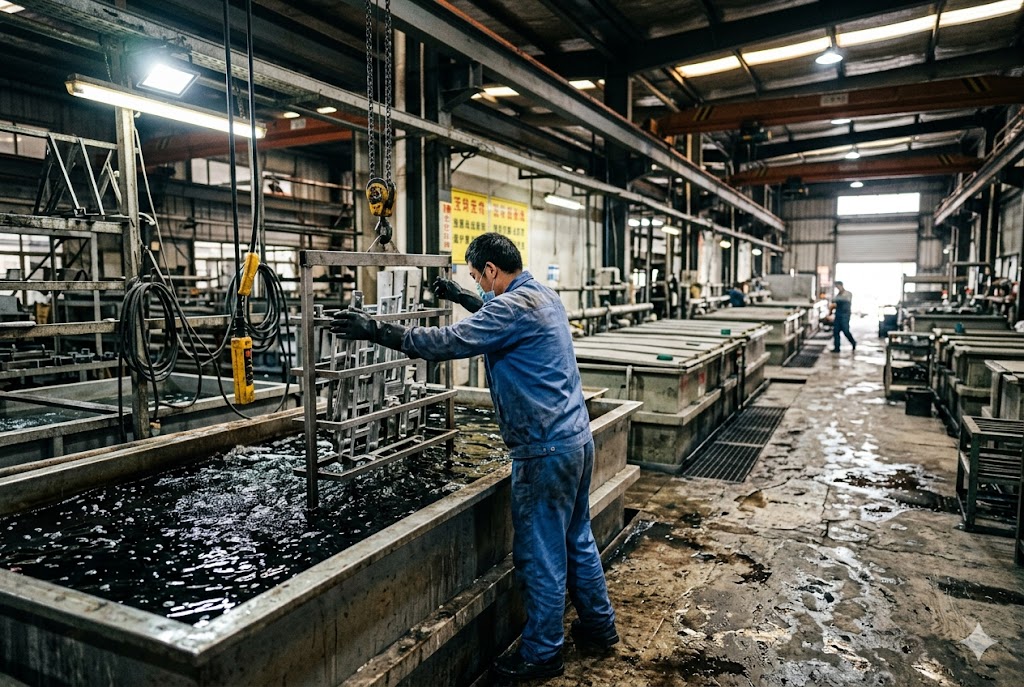
Approximately 39% of Chinese CNC factories outsource anodizing, plating, and electroplating to specialist subcontractors. Chinese environmental regulations 2 require that processes involving acidic wastewater and VOC emissions operate in designated surface treatment parks, not inside standard machining factories.
When your supplier outsources finishing, three things happen:
- Their quote includes a coordination margin on top of the subcontractor's rate.
- Transit between the machining factory and the finishing house adds 1–3 days to lead time.
- Quality oversight of the finishing step is one layer further from the factory floor.
This is not necessarily a problem — most established subcontractors do good work — but it is information you need. Always ask your supplier whether finishing is done in-house or outsourced, and request the subcontractor's quality certifications if finish quality is critical to your application.
How Can I Choose the Right Finish Without Over-Specifying?
This is the question that saves the most money. Over-specifying finish is extremely common, and it rarely improves part performance — it just raises cost.
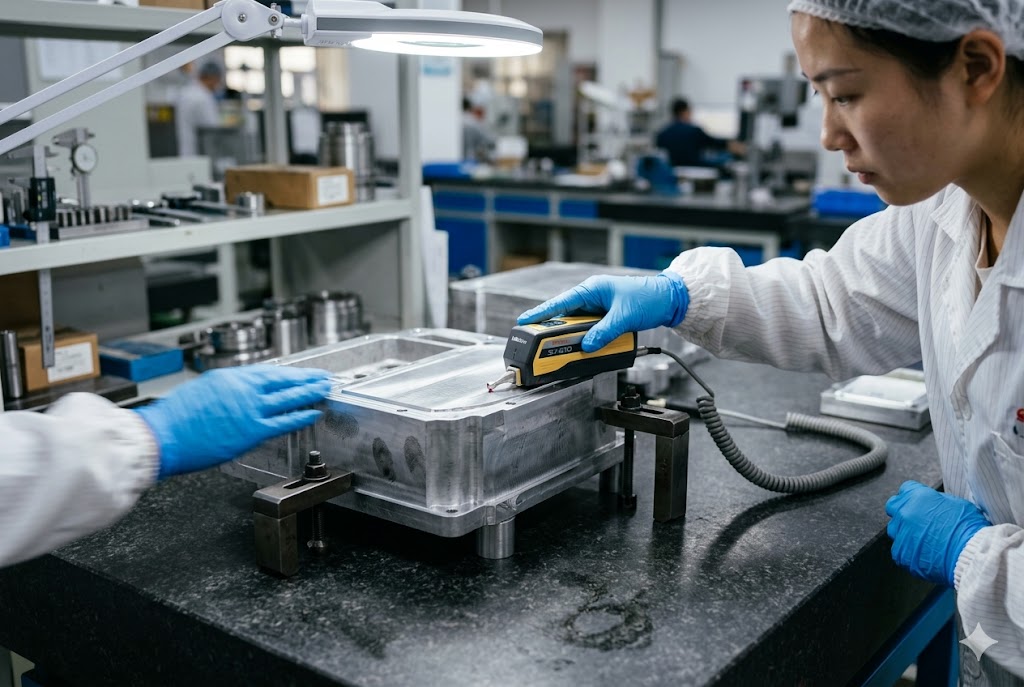
The correct approach is to specify finish only on surfaces where it serves a measurable function: corrosion exposure, wear, electrical isolation, or visible cosmetic surfaces in final assembly. All remaining surfaces should default to as-machined. A face-by-face callout structure consistently identifies 10–20% per-part savings compared to a global finish specification.
The Problem with Global Finish Callouts
A global surface finish specification — for example, "hard anodize all surfaces" placed in the title block of a drawing — is one of the most common sources of unnecessary finishing cost in imported CNC parts. It applies the most expensive treatment to every surface on the part, including internal brackets, hidden bores, and structural interfaces that will never be seen or exposed to a corrosive environment.
The engineering-correct approach is selective specification:
- Identify each surface's function.
- Match the finish requirement to that function.
- Default everything else to as-machined.
Surface Function vs. Finish Requirement
| Surface Type | Function | Recommended Finish | Reasoning |
|---|---|---|---|
| External visible face | Cosmetic, corrosion | Type II anodize or powder coat | Protects appearance and surface |
| Sealing face / O-ring groove | Dimensional precision | As-machined or light bead blast | Coating adds thickness and disrupts seal |
| Threaded bore | Assembly interface | As-machined | Coating can close thread tolerance |
| Internal bracket face | Structural load | As-machined | Not exposed; finish adds no value |
| Wear surface / sliding interface | Tribological | Type III hard anodize or electroless nickel | Hardness and lubricity matter here |
Ra Value Over-Specification
Surface roughness 3 Ra value callouts are a separate cost driver that is often misunderstood. Standard machining produces Ra 3.2 µm on milled surfaces and Ra 1.6 µm on turned surfaces — both included in the base price at no charge.
Here is what happens to cost when you tighten the Ra callout:
- Ra 1.6 µm (milled): Often achievable through optimised toolpaths at minimal extra cost.
- Ra 0.8 µm: Requires slower feeds, smaller step-overs, and finishing passes — roughly 2.5–4x the baseline cost.
- Ra 0.4 µm: Typically requires a secondary grinding operation, a new machine setup, and more sophisticated inspection — pushing cost to 5–8x the baseline.
Applying a tight Ra callout to the entire part, rather than only to the sealing or mating surfaces that functionally require it, multiplies this premium across every feature. A 30-minute design for manufacturability 4 review focused specifically on finish and Ra callouts routinely identifies significant per-part savings.
Masking Labour Adds Up Faster Than Most Buyers Expect
Any feature that must be protected from a coating — threads, precision bores, sealing faces, tight-tolerance fits — must be masked manually before the part enters the finishing line. Masking adds $0.50–$5 per zone per part depending on complexity.
A part with five masked features at $2 each adds $10 to every unit, before any coating is applied. On a 500-part order, that is $5,000 in masking labour alone.
Designing parts to minimise masking zones — or specifying powder coating 5 only on external surfaces that genuinely need it — directly reduces this cost on every order you place.
Should I Quote Finishing Separately from Machining?
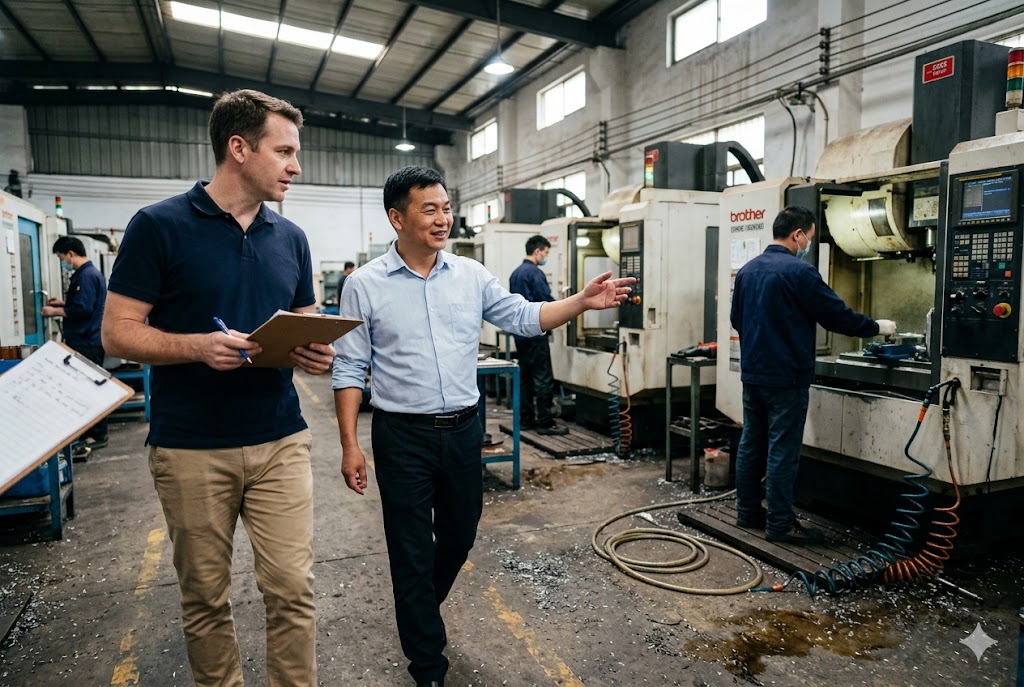
Yes — and most experienced buyers already do this. Bundling finishing into a single all-in price makes it very hard to benchmark, compare, or optimise.
Requesting finishing as a separate line item on every quote gives you full visibility into what you are actually paying for: treatment cost, masking labour, subcontractor margin, and minimum lot charges. It also lets you compare finishing costs across suppliers independently from machining costs, which often move at different rates.
What to Request as Separate Line Items
When you send an RFQ (request for quotation) 6 for parts with surface treatment, ask your supplier to break down the quote into these components:
| Quote Line Item | What It Covers | Why It Matters |
|---|---|---|
| Base machining cost | CNC turning, milling, drilling, tapping | Core cost benchmark |
| Surface treatment cost | Chemistry, labour, tank time | Directly comparable across suppliers |
| Masking labour | Per-zone manual masking | Varies by part complexity |
| Subcontractor coordination margin | If finishing is outsourced | Indicates markup and oversight distance |
| Minimum lot charge | Applied if batch is below subcontractor's minimum | Critical for small-batch pricing |
| Post-finish inspection | Re-measurement after coating | Should be standard; confirm it is included |
Combining Finishing Steps Saves Money
If your part requires multiple finishing operations — for example, bead blasting followed by Type II anodize and colour dye — request that all operations be quoted and processed as a single combined sequence. When a part moves through the finishing line once, minimum lot charges apply once and transit between the machining factory and the finishing house happens once.
Sequencing them as separate orders means the part travels to the finishing house twice, minimum charges apply twice, and lead time doubles for that phase of production. This is a legitimate procurement practice that most suppliers will accommodate if you specify it clearly in the RFQ.
Benchmarking Finishing Costs Across Suppliers
Finishing costs vary more than most buyers expect across different Chinese suppliers, because some have preferred subcontractor relationships with negotiated rates while others pay standard market rates. If you are comparing two quotes with very different finishing costs, ask each supplier to specify the subcontractor used and whether they can provide the subcontractor's direct rate sheet for reference. This is standard supply chain due diligence 7 for high-volume orders.
How Do Finish Requirements Affect Lead Time and Defect Risk?
Finish requirements have a direct and often underestimated impact on both schedule and quality outcomes. Delivery delays are one of the most painful problems for purchasing managers, and finishing is a common contributor.
Surface finishing adds 2–7 business days to standard lead time depending on whether the process is in-house or outsourced, and it introduces additional defect risk at every handoff point. Parts rejected after finishing must either be re-finished — if the defect is surface-only — or scrapped entirely, because rework after coating often damages dimensional integrity.

How Finishing Adds to Lead Time
Here is a realistic lead time breakdown for a machined aluminium part with Type II anodize compared to an as-machined part:
- As-machined part: CNC machining → deburr → inspection → pack and ship. Typical lead time: 7–12 business days.
- Anodized part: CNC machining → deburr → pre-finish inspection → transport to finishing house → anodize → transport back → post-finish inspection → pack and ship. Typical lead time: 10–17 business days.
The gap widens further for specialty finishes like hard anodize or electroless nickel plating 8, which require longer processing cycles and more stringent post-treatment inspection.
Defect Risk by Process
Not all finishing processes carry the same defect risk. Understanding where defects are likely to occur helps you design your quality plan accordingly.
| Finishing Process | Common Defect Types | Risk Level | Mitigation |
|---|---|---|---|
| Bead blasting | Uneven texture, blasting media residue | Low | Visual inspection; media flush |
| Type II anodize | Colour inconsistency, pitting, thin spots | Medium | AQL sampling; colour reference standard |
| Type III hard anodize | Dimensional change, edge burning, cracking | Medium-High | Pre-finish dimensional check; post-finish re-measurement |
| Powder coating | Orange peel, runs, uneven coverage, masked area bleed | Medium | Visual AQL; adhesion cross-cut test |
| Electroless nickel | Blistering, delamination, uneven deposit thickness | High | XRF thickness check; adhesion test |
Pre-Finish and Post-Finish Inspection
One quality control step that is frequently skipped — especially on outsourced finishing — is a dimensional inspection before the part enters the finishing line. If a part has a dimensional defect that is only discovered after finishing, the finishing cost is wasted and the part may be unsalvageable.
Our process includes a pre-finish inspection checkpoint as standard on orders where the coating will affect critical dimensions. This adds a small amount of time but dramatically reduces the cost of defect discovery late in the production cycle.
Post-finish inspection should confirm that coating thickness is within specification, that masked features are clean and dimensionally intact, and that cosmetic appearance meets the agreed reference standard. Requesting that the supplier provide post-finish inspection records using AQL (Acceptance Quality Limit) 9 sampling as part of the shipment documentation is a straightforward requirement that most professional factories can accommodate. Suppliers holding ISO 9001 certification 10 are typically structured to provide this documentation as standard practice.
Conclusion
Surface finishing is not a footnote on your CNC quote — it is a cost multiplier that touches price, lead time, and quality risk simultaneously. Specify finish only where it serves a clear function, separate finishing line items on every RFQ, confirm whether your supplier outsources treatment, and build pre-finish inspection into your quality plan.
Footnotes
1. Overview of Type III hard anodizing process, properties, and industrial applications. ↩︎
2. China–US environmental cooperation context for understanding VOC and wastewater regulations affecting finishing factories. ↩︎
3. Explains surface roughness (Ra) parameters and measurement standards used in engineering specifications. ↩︎
4. Introduction to design for manufacturability principles that reduce cost at the drawing stage. ↩︎
5. Comprehensive guide to powder coating process, materials, and corrosion protection performance. ↩︎
6. Explains the request for quotation process and best practices for structured supplier communication. ↩︎
7. Overview of supply chain management practices including supplier due diligence and cost benchmarking. ↩︎
8. Technical overview of electroless nickel plating chemistry, deposit properties, and defect types. ↩︎
9. Explains AQL (Acceptance Quality Limit) sampling methodology used in manufacturing inspection plans. ↩︎
10. ISO 9001 quality management system standard requirements relevant to supplier certification. ↩︎