Skip to main content Skip to footer
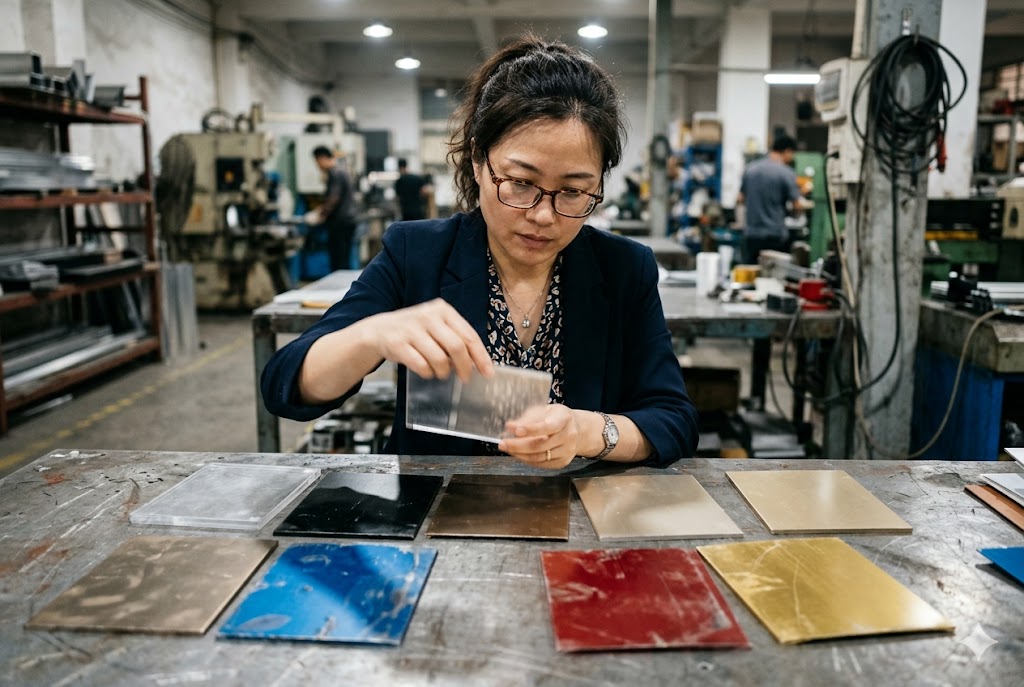
Every year, we help clients avoid costly finishing mistakes before parts even leave the factory floor.
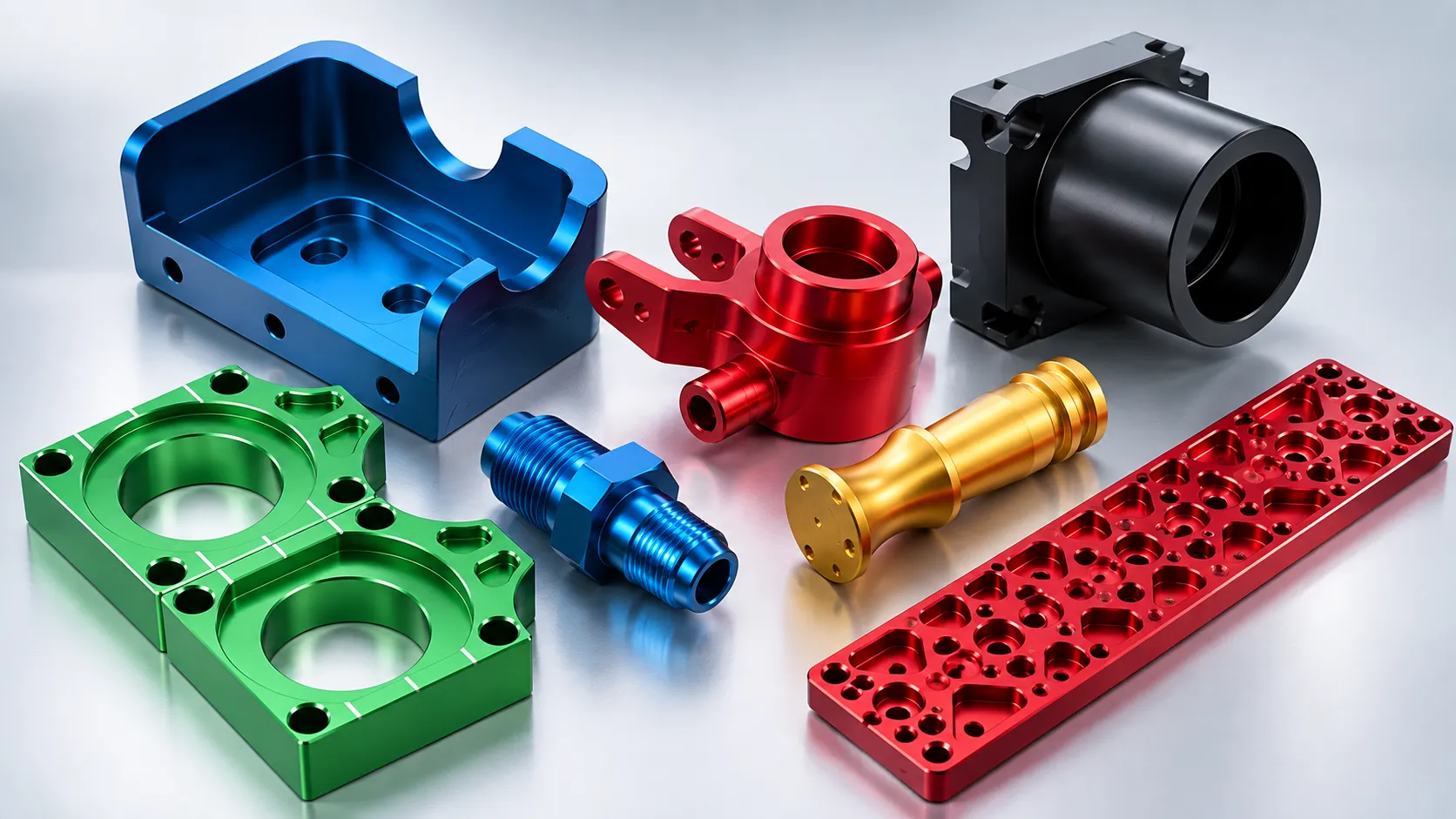
Anodizing works only on aluminum sheet metal. The best alloys are 5005, 5052, 6061, 6063, and 6082. Chinese suppliers can produce clear, black, bronze, champagne, gold, red, blue, green, and more. Color consistency across batches depends on alloy lot, bath control, and sealing method.
Here is what you need to know before placing your next order.
Why Can I Only Anodize Aluminum Sheet Metal Parts and Not Steel or Stainless Steel?
When we first explain this to new clients, the same question comes up — why not steel?
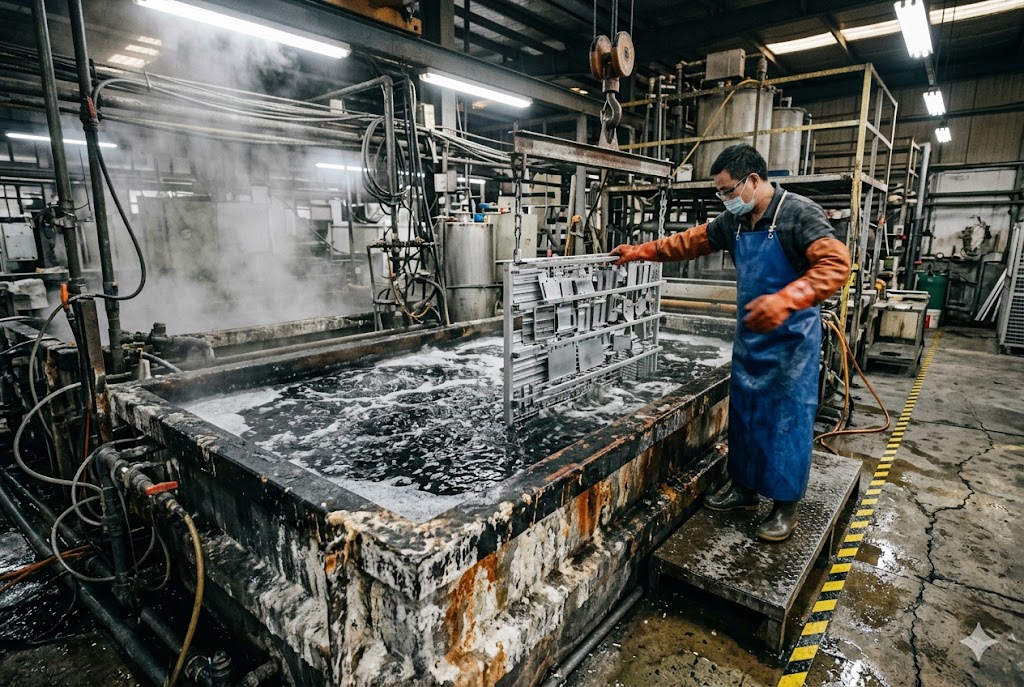
Anodizing uses an electrolytic bath to grow an oxide layer directly from the base metal. Only aluminum reacts correctly in this process. Steel and stainless steel corrode or fail in the acid bath. Copper dissolves. There is no workaround — anodizing is an aluminum-only finishing process for practical sheet metal fabrication.
What Actually Happens in the Anodizing Bath
Anodizing is not a coating applied on top of the metal. It is a conversion process. The surface aluminum reacts with sulfuric acid under electrical current 1 to grow an aluminum oxide layer from the metal itself. The layer is hard, dense, and bonded at the molecular level.
Steel does not form a stable oxide layer in this environment. Instead, it corrodes rapidly. Stainless steel has a passive chromium oxide layer that blocks the anodizing reaction entirely. Copper dissolves into the bath and contaminates it, ruining every other part in the same run.
Why Alloy Selection Changes Everything
Not all aluminum anodizes the same way. The alloy composition controls how the oxide layer forms, how dense it is, and how well it accepts dye.
| Alloy | Series | Best For | Anodize Quality |
|---|---|---|---|
| 5005 | 5xxx | Decorative panels, signage | Excellent — clean, consistent color |
| 5052 | 5xxx | Structural sheet, enclosures | Very good — uniform layer |
| 6061 | 6xxx | Structural parts, hard anodize | Good — slightly matte finish |
| 6063 | 6xxx | Cosmetic/decorative parts | Excellent — smoothest appearance |
| 6082 | 6xxx | Hard anodize, industrial wear | Good — dense, dark layer |
| 2024 | 2xxx | High-strength aerospace | Poor — porous, uneven, weak corrosion resistance |
The 2xxx series alloys contain copper. Copper disrupts oxide formation. The result is a porous, non-uniform film. If corrosion resistance or color uniformity matters to your application, avoid 2xxx series for anodized parts.
Among the most widely specified options, 5052 and 6063 aluminum 2 occupy different niches: 5052 is favored for corrosion-resistant structural sheet while 6063 delivers the cleanest cosmetic finish after anodizing.
What About Titanium?
Titanium can also be anodized. It produces vivid interference colors — gold, blue, purple, green 3 — by varying voltage alone, with no dye at all. However, titanium sheet anodizing is far less common at Chinese sheet metal fabricators. Most factories that handle titanium are specialized. Confirm this capability specifically before including titanium anodize in any RFQ.
Mixed-Alloy Assemblies Are a Hidden Risk
One common mistake: welding a 6061 component to a 5052 bracket and then sending the assembly for anodizing. Each alloy absorbs dye at a different rate and produces an oxide layer of different density. In the same bath, the two parts will finish to visibly different shades. If mating visible surfaces must match, specify the same alloy series — and ideally the same material lot — for all parts in the assembly.
How Durable Is Anodized Coating for My Industrial Sheet Metal Application?
In our experience managing quality inspections for industrial clients, durability questions almost always come down to one thing: which anodize type was actually specified?
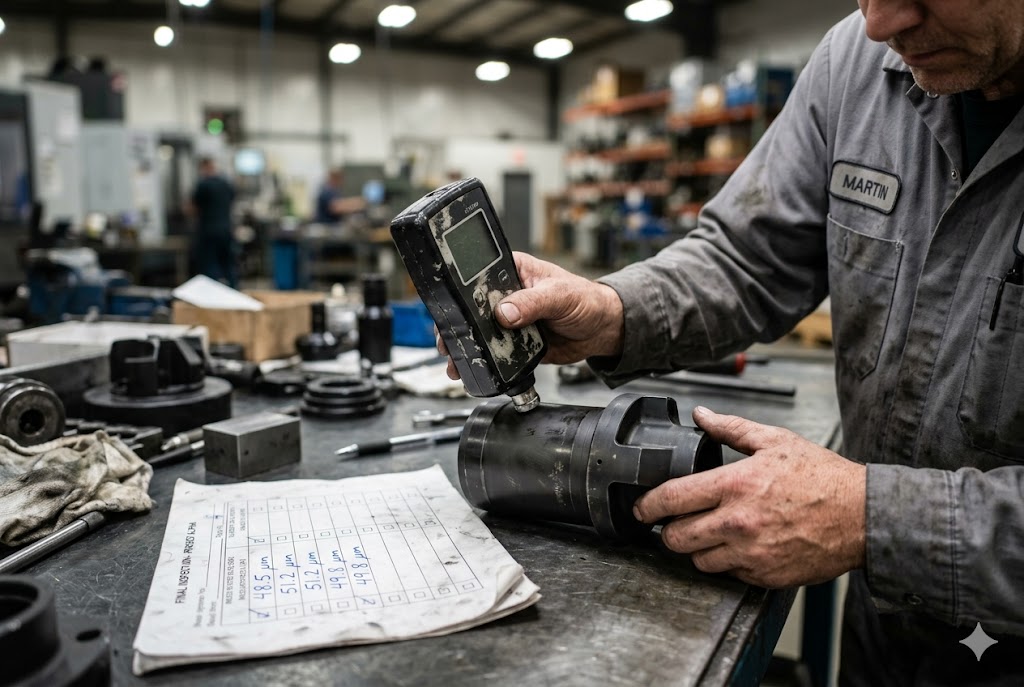
Anodized aluminum durability depends on the anodize type. Standard Type II anodize produces a 5–20 micron layer suitable for general industrial use. Type III hard anodize produces a 25–100 micron layer with significantly higher hardness and wear resistance, rated for demanding industrial, military, and aerospace applications.
Type II vs. Type III: The Core Decision
Most Chinese suppliers default to Type II (standard) anodizing unless otherwise specified. Type II is sufficient for enclosures, panels, brackets, and parts that do not experience abrasion or heavy sliding contact. Type III hard anodize 4 is the correct choice for wear surfaces, tooling components, hydraulic parts, and anything exposed to repeated mechanical contact.
| Property | Type II (Standard) | Type III (Hard Anodize) |
|---|---|---|
| Oxide thickness | 5–20 microns | 25–100 microns (up to 200 microns possible) |
| Surface hardness | 200–300 HV | 400–600 HV |
| Typical color | Clear, silver, or dyed | Dark gray to black (darkens all dyed colors) |
| Salt spray resistance | 336–500 hours | 1000+ hours |
| Suitable for wear surfaces | No | Yes |
| Cost relative to Type II | Baseline | 1.5–3x higher |
Both Type II and Type III processes are governed by the MIL-A-8625F military specification 5, which sets acceptance criteria for coating weight, corrosion resistance, abrasion resistance, and dyeing across all anodize types.
Color Changes Under Hard Anodize
Hard anodizing produces inherently darker colors. The thicker oxide layer absorbs more dye and shifts every color toward a darker shade. A "clear" hard anodize does not produce silver — it produces a dark gray or bronze tone. Lighter colors like white or bright yellow are not reliably achievable with Type III. If color tone matters, confirm expected color output with a sample part before full production.
Sealing Method Affects Corrosion Resistance
After anodizing, the porous oxide layer must be sealed to close the pores and lock in any dye. The sealing method affects both corrosion resistance and dye retention. Research published in peer-reviewed literature confirms that hot nickel acetate sealing 6 produces the highest corrosion protection of common sealing methods by filling pores through both hydration and nickel hydroxide precipitation.
| Sealing Method | Process | Corrosion Resistance | Notes |
|---|---|---|---|
| Hot water seal | Immerse in boiling deionized water | Good | Common, low cost |
| Mid-temperature nickel acetate seal | 60–80°C nickel acetate bath | Very good | Better dye retention |
| Cold seal | Room temperature fluoride-based bath | Good | Faster, energy-saving |
| PTFE-impregnated seal | Specialty seal with lubricant | Excellent + lubricity | For sliding wear surfaces |
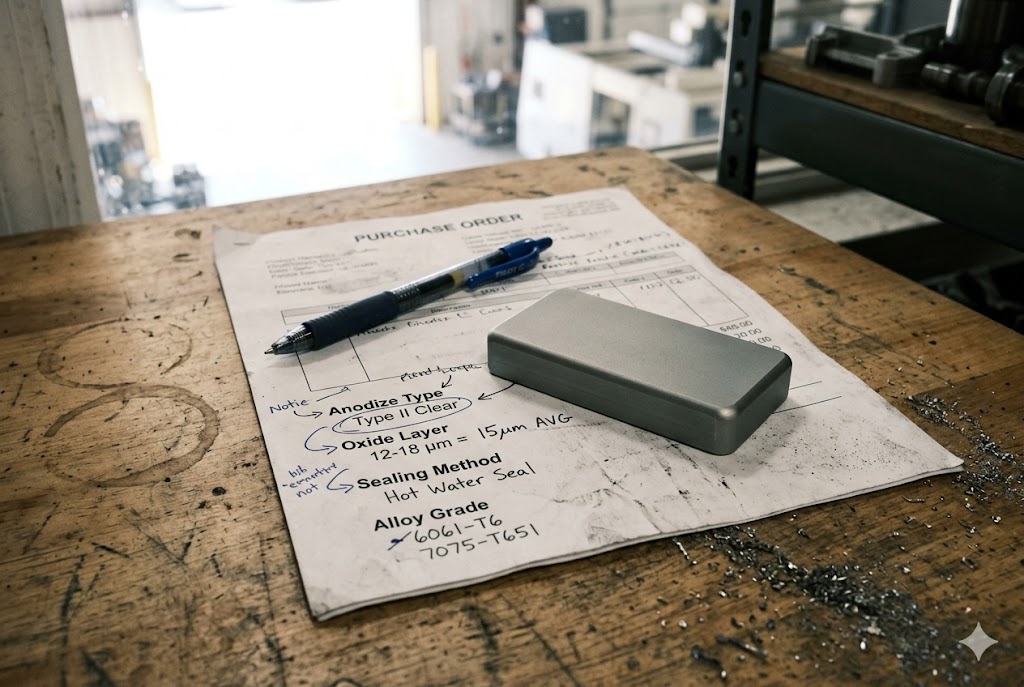
Always specify sealing method in your purchase order. Suppliers will default to hot water seal unless instructed otherwise.
UV Exposure and Outdoor Applications
Vivid dyed colors — red, blue, purple, pink, orange — fade faster under UV exposure than darker colors. For any exterior or high-sun application, black, bronze, and champagne are the most UV-stable choices. If a bright color is required outdoors, request UV-resistant dye and confirm with a weathering test report from the supplier.
How Can I Specify Anodize Thickness and Color Consistently Across Multiple Orders?
This is one of the most common problems we deal with when managing repeat orders for clients.
To achieve consistent anodize thickness and color across multiple orders, specify alloy grade and material lot in your purchase order, define oxide layer thickness in microns, use a physical reference sample or approved first-article part as the color standard, and require all parts in one order to be processed in the same anodizing bath run.
Why Color Drifts Between Batches
Anodizing is not like paint. Dye is absorbed into open pores in the oxide layer. The pore size, depth, and density vary with alloy composition, bath temperature, current density, and acid concentration. Even small changes between production runs shift the final color.
The most common root causes of color drift are:
- Different material lots with slightly different alloy composition
- Bath temperature variation (±2°C can shift color tone)
- Dye concentration not measured and replenished consistently
- Parts from different runs processed in the same anodizing tank at different times
How to Write a Compliant Anodize Specification
A proper anodize specification on your drawing or purchase order should include all of the following:
| Parameter | What to Specify | Example |
|---|---|---|
| Anodize type | Type II or Type III | Type II per MIL-A-8625 |
| Oxide layer thickness | Minimum and maximum in microns | 15–20 microns |
| Color | Reference to approved sample or Pantone/RAL code | Black, match approved first-article sample |
| Gloss level | Matte, satin, or gloss | Matte |
| Sealing method | Hot water, nickel acetate, or cold seal | Mid-temperature nickel acetate |
| Alloy requirement | Specified alloy and series | 6063-T5 |
| Batch requirement | All parts in same anodizing run | All parts same bath run required |
The Aluminum Anodizers Council's specification guide 7 provides additional industry-standard designation conventions for finish type, mechanical pretreatment, and anodic coating class that procurement teams can reference when drafting drawing notes.
Using a Physical Reference Sample
RAL color codes 8 and Pantone numbers are starting points, not guarantees. Both systems were developed for paint, varnish, and powder coating — not anodized aluminum. Colors look different on aluminum oxide than on paper or plastic. The only reliable color standard for anodized aluminum is a physical reference part — either an approved first-article sample or a supplier color chip anodized in the same alloy as your production parts.
Keep the approved reference sample in your QC files. Send a copy to the supplier and require them to match it within an agreed color tolerance (ΔE value, typically ΔE ≤ 1.5 for industrial parts, ΔE ≤ 1.0 for cosmetic parts).
Pretreatment Is Part of the Color Result
The surface condition before anodizing directly affects final appearance. Mechanical polishing, degreasing, chemical etching, and brightening all change how the oxide layer forms and how evenly it accepts dye. Chinese suppliers use different default pretreatment levels. Without a specified pretreatment sequence, two factories can produce visibly different colors from identical drawings and the same alloy.
Always state your pretreatment requirements explicitly. For cosmetic parts, specify:
- Chemical degreasing: required
- Alkaline etch: specify duration or surface finish
- Brightening (desmutting): required before anodizing
What Should I Check in My Pre-Shipment Inspection to Confirm Anodize Quality?
Our quality team runs pre-shipment inspections on anodized parts regularly, and the same defects appear again and again when the right checks are skipped.
In a pre-shipment inspection for anodized sheet metal, check oxide layer thickness with an eddy current gauge, verify color against the approved reference sample under standard lighting, inspect for surface defects including streaks, pitting, and uneven color, confirm sealing quality with an acid dissolution test, and verify hardness on Type III parts with a pencil hardness or Vickers test.
The Inspection Sequence That Works
A reliable pre-shipment inspection for anodized parts follows a fixed sequence. Skipping any step creates gaps that allow defective parts to ship.
Step 1: Dimensional Check
Verify all critical dimensions against the drawing. Anodizing adds measurable thickness — typically 5–25 microns per side. For tight-tolerance features, this must be accounted for in the machined pre-anodize dimensions. Confirm that post-anodize dimensions still fall within tolerance.
Step 2: Oxide Layer Thickness
Use a calibrated eddy current thickness gauge 9 to non-destructively verify anodize depth. Take readings at a minimum of five points across each part — center, four quadrants. Record all values. Compare against the specified minimum and maximum in microns.
Step 3: Color and Appearance
Compare finished parts against the approved reference sample under D65 daylight-equivalent lighting. Check for:
| Defect Type | Description | Accept or Reject |
|---|---|---|
| Color mismatch | Visibly different from reference sample | Reject |
| Streaks | Linear discoloration from uneven etching or dye absorption | Reject on cosmetic surfaces |
| Pitting | Small holes from contamination or poor pretreatment | Reject if on functional surfaces |
| Burn marks | Dark spots from excess current density | Reject |
| Uncoated areas | Missing anodize from masking or contact points | Reject if outside masked zone |
| Fingerprints / handling marks | Surface contamination after anodizing | Reject if permanent |
| Gloss deviation | Matte vs. gloss inconsistency | Reject if out of spec |
Step 4: Sealing Quality
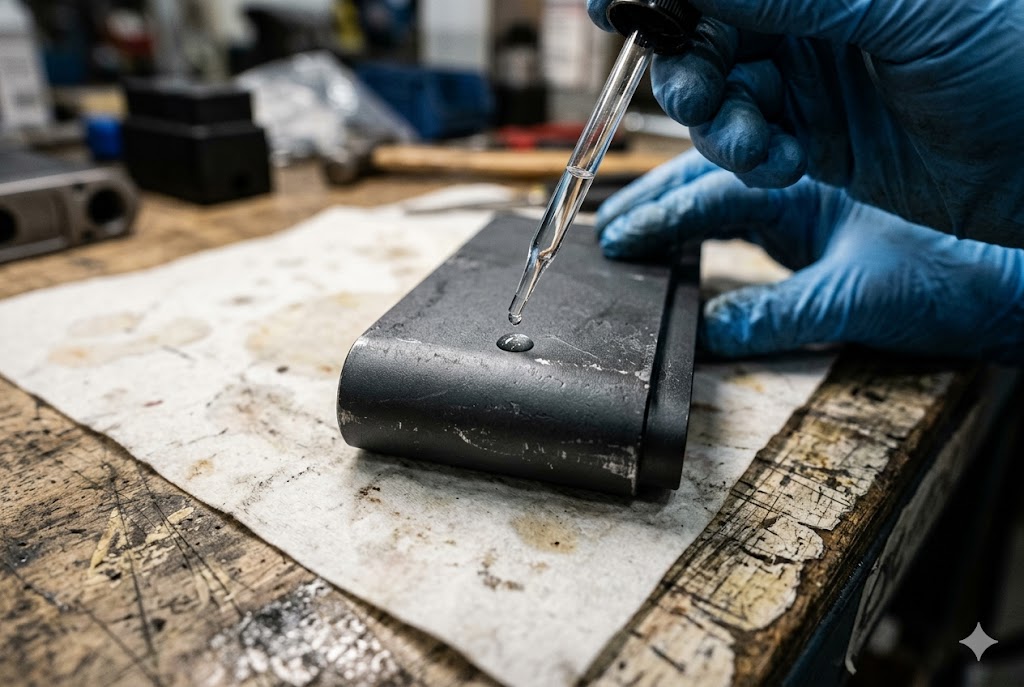
Sealed anodize resists acid. A simple spot test uses dilute nitric acid (30%) applied to the surface for 60 seconds. Good sealing produces no stain or discoloration. Poor sealing causes the oxide layer to dissolve and leaves a visible mark. This test confirms that pores are properly closed and the part will resist corrosion in service.
Step 5: Adhesion and Hardness (Type III)
For hard anodized parts, confirm surface hardness. A pencil hardness test (minimum 6H for most hard anodize specifications) gives a fast field check. For critical applications, request a Vickers hardness report from the supplier's QC lab covering samples from the same production batch. A comprehensive overview of anodized aluminum color options and finish variables 10 — including how dye, sealing, and alloy interact — can help buyers set realistic expectations before placing a production order.
What to Do When Parts Fail Inspection
When parts fail pre-shipment inspection, the decision to accept, rework, or reject depends on the defect type and severity. Minor cosmetic defects on non-visible surfaces may be acceptable with a concession agreement. Thickness or sealing failures are structural and require rework or replacement.
Document all findings with photographs and inspection reports. Use this data when raising corrective action requests with the supplier. Repeated failures on the same defect type indicate a process control problem at the factory — not a one-time event — and should trigger a factory audit.
Conclusion
Anodizing is aluminum-only. Alloy selection, anodize type, pretreatment, and sealing all control the final result. Specify every parameter clearly, use physical reference samples, and inspect before shipment. That is how you get consistent quality, every order.
Footnotes
1. How sulfuric acid anodizing creates a hard aluminum oxide coating on aluminum alloys. ↩︎
2. Compares anodizing behavior and applications of 5052 vs. 6063 aluminum alloys. ↩︎
3. How applied voltage controls interference colors in titanium anodizing without dye. ↩︎
4. Overview of hard coat anodizing process, thickness ranges, and industrial use cases. ↩︎
5. Complete guide to MIL-A-8625F anodizing types, classes, and compliance requirements. ↩︎
6. Peer-reviewed comparison of sealing methods and their effect on anodize corrosion resistance. ↩︎
7. Industry-standard designation system for specifying anodized aluminum finishes and coatings. ↩︎
8. Background on the RAL colour standard system used for varnish, powder coating, and plastics. ↩︎
9. How eddy current gauges non-destructively measure anodize thickness on aluminum parts. ↩︎
10. Overview of anodized aluminum color options and how alloy, dye, and sealing interact. ↩︎