 Skip to main content Skip to footer
TONGREN
OUR MATERIALSCNC Machining Materials for
CNC Machining Materials for
Custom Precision Parts
We machine a wide range of metals and engineering plastics for prototype and production parts, including aluminum, stainless steel, titanium, brass, copper and high-performance plastics. Each material is selected based on strength, corrosion resistance, machinability, conductivity and cost requirements for your application.
Tolerances from ±0.005mm
ISO 9001:2015 certified
Ships to 30+ Countries
What Materials Can Be CNC Machined?
CNC machining can process metals, engineering plastics and selected specialty materials when suitable stock, tooling and machining parameters are available.


Metals
Aluminum, stainless steel, titanium, brass, copper, carbon steel, alloy steel, tool steel, bronze, magnesium and nickel alloys.

Engineering Plastics
PEEK, Delrin, Nylon, PTFE, UHMW-PE, PVC, Acrylic, Polycarbonate, ABS, PPS, PEI and PVDF.

Specialty Materials
Inconel, Hastelloy, beryllium copper, specialty alloys and customer-specified materials.
Materials We Machine
Compare properties and applications to find the right material for your project.

Aluminum CNC Machining
Lightweight, corrosion-resistant and highly machinable. Ideal for aerospace, automotive and electronics housings.
aluminum CNC parts6061 machininglightweight metal
Learn More >
Stainless Steel CNC Machining
High strength, corrosion resistance and excellent durability for medical, food-grade and industrial applications.
304 316 CNC partsstainless machiningcorrosion resistant
Learn More >
Titanium CNC Machining
Exceptional strength-to-weight ratio and biocompatibility for aerospace and medical implant components.
titanium machiningmedical implantsaerospace parts
Learn More >
Brass Parts Manufacturing
Excellent machinability and electrical conductivity for fittings, connectors and precision hardware.
brass CNC partsbrass fittingselectrical components
Learn More >
Copper Parts Manufacturing
Superior electrical and thermal conductivity for connectors, terminals and heat-management components.
copper machiningelectrical partsthermal components
Learn More >
Plastic Machining
Engineering-grade plastics (POM, PEEK, Nylon, PTFE) for lightweight, chemical-resistant and insulating parts.
plastic CNC machiningengineering plasticsPOM PEEK
Learn More >Have drawings ready?
Upload them and get a quote within 24 hours.
How to Choose the Right CNC Machining Material
 Choose aluminum for lightweight, highly machinable parts.Choose stainless steel for strength and corrosion resistance.Choose titanium for high strength-to-weight performance.Choose brass for fittings and turned parts.Choose copper for electrical and thermal conductivity.Choose PEEK for high-temperature plastic parts.Choose Delrin for low-friction precision components.
Material Comparison
Compare Common CNC Machining Materials
A quick reference to help you choose the right material for strength, corrosion resistance and machinability.
Recommended CNC Machining Materials by Industry

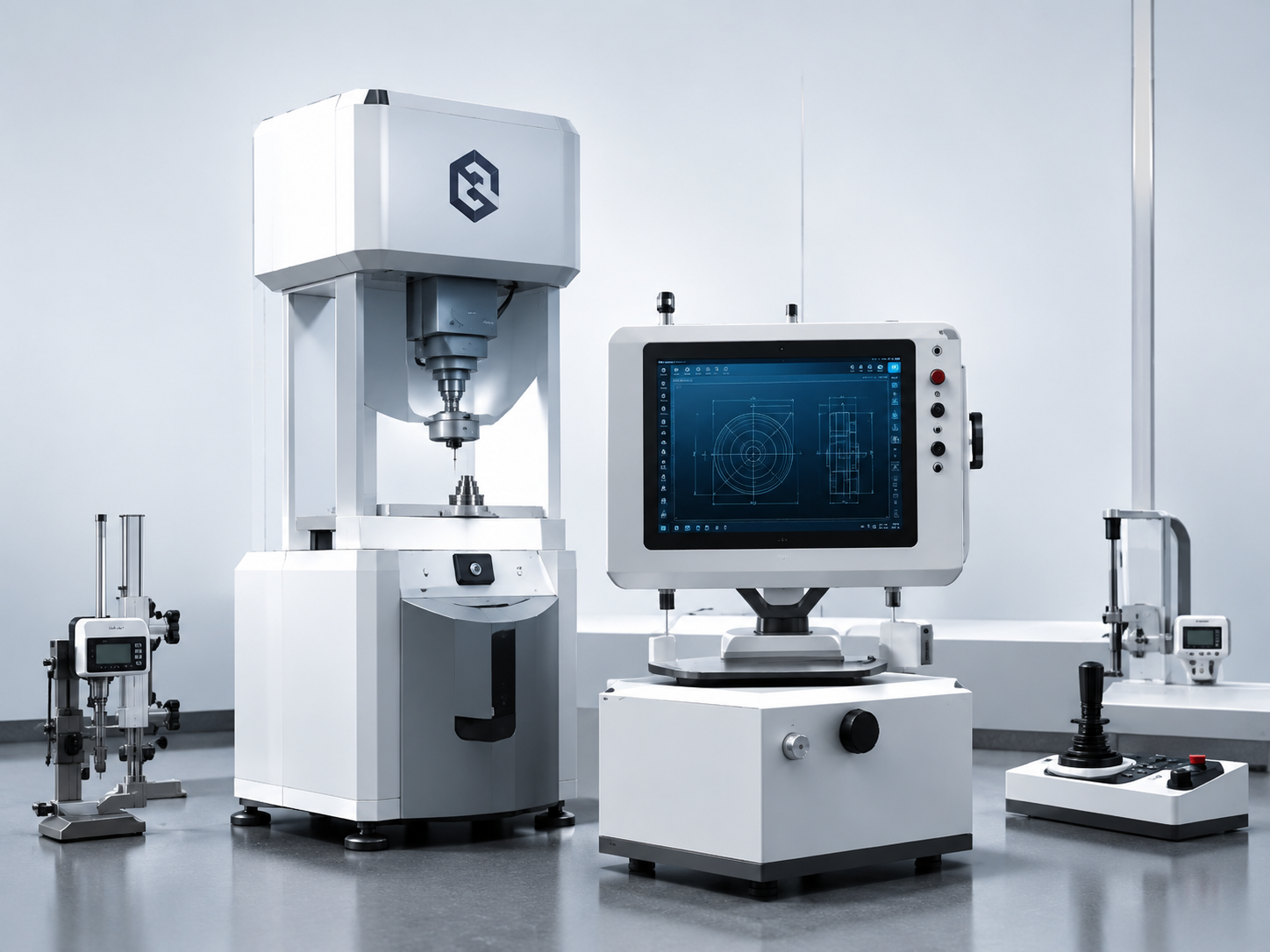
Aerospace
Aluminum 7075/2024, Titanium Grade 5, stainless steel, PEEK
Medical
Stainless steel 316L, titanium, PEEK, Delrin

Automotive
Aluminum, stainless steel, carbon steel, brass, plastics

Robotics
Aluminum, stainless steel, tool steel, Delrin, Nylon
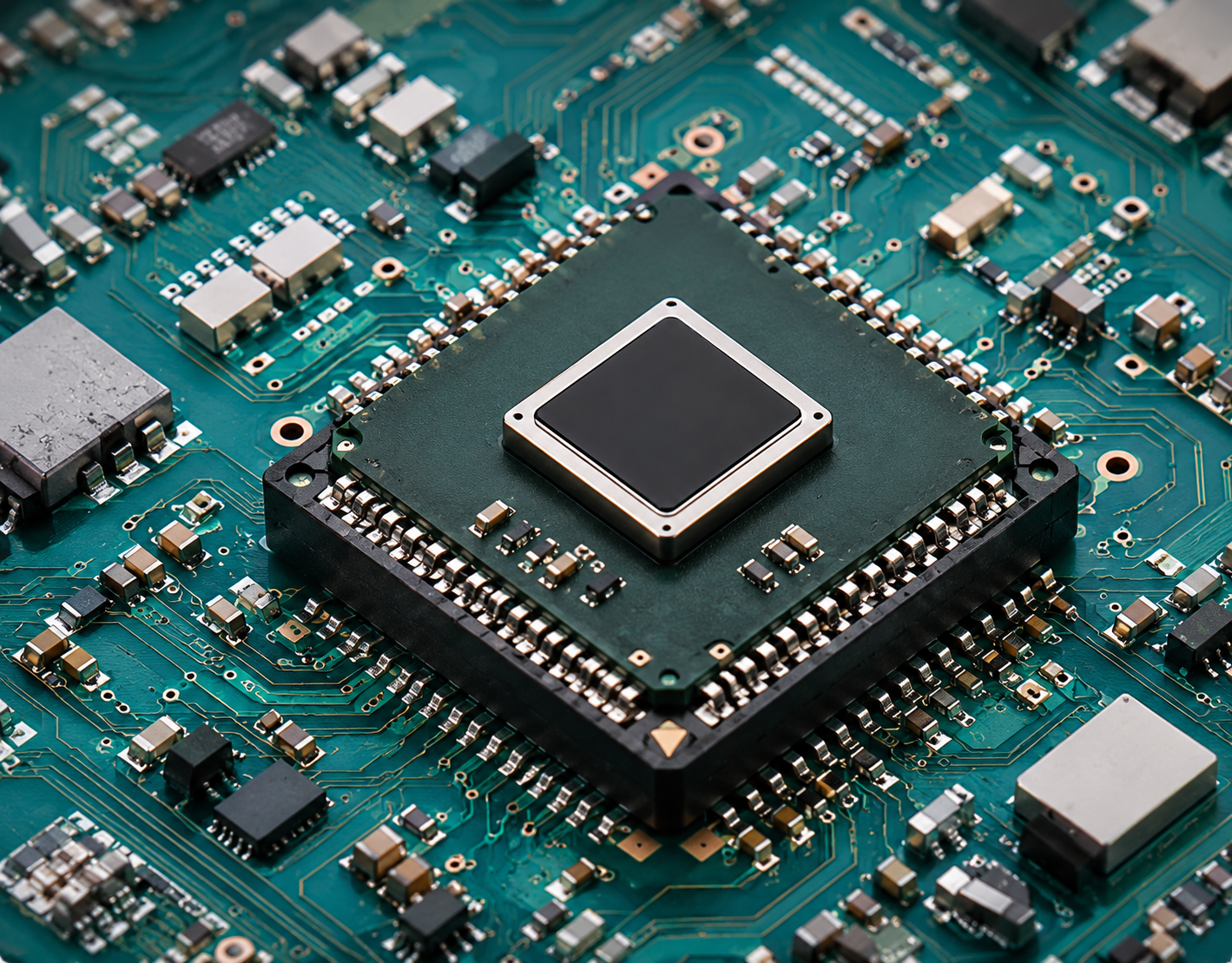
Electronics
Aluminum, copper, stainless steel, PEEK, PTFE
Food Equipment
Stainless steel 304/316, UHMW-PE, POM

Marine
Stainless steel 316, titanium, naval brass, marine aluminum
Metal vs Plastic CNC Machining
Machinability of CNC Materials
Get Instant Quote→Recommended Surface Finishes by Material
Choose Materials by Performance Requirement
Material Certificates and Traceability
Material Strategy from Prototype to Production
Frequently Asked Questions About CNC Machining Materials
What materials can be CNC machined?
Aluminum, stainless steel, titanium, brass, copper, steel, PEEK, Delrin, Nylon, PTFE, Acrylic and many other materials.
What is the easiest metal to CNC machine?
Aluminum 6061 and free-machining brass such as C360 are generally easy to machine.
What is the best aluminum for CNC machining?
6061 is widely used for general parts, while 7075 is selected for higher strength.
Is titanium difficult to machine?
Yes. Titanium requires controlled cutting parameters, sharp tools and heat management.
What is the difference between brass and copper?
Brass is generally easier to machine, while copper provides higher electrical and thermal conductivity.
What plastics can be CNC machined?
PEEK, Delrin, Nylon, PTFE, UHMW, Acrylic, Polycarbonate, ABS, PPS, PEI and PVDF.
What is the best plastic for low friction?
PTFE, Delrin and UHMW-PE are common low-friction options.
What is the best material for heat sinks?
Aluminum is common for lightweight heat sinks, while copper provides higher thermal conductivity.
Do you provide material certificates?
Certificates and traceability can be provided when specified before quotation.
Can you help select a material?
Yes. We can recommend materials based on strength, environment, temperature, tolerance, finish and cost.
How does material affect cost?
Material price, machinability, tool wear, cycle time, availability and finishing affect cost.
