 Skip to main content Skip to footer
TONGFEN CNCPrecision Manufacturing
★ OEM & Custom Aluminum Die Casting Service Supplier in China
Custom Aluminum Die Casting Services
Get custom aluminum die cast parts from prototype tooling to production.
We provide DFM analysis, mold design, high-pressure aluminum die casting, trimming, CNC machining, surface finishing, assembly and quality inspection for complex lightweight metal components.
ADC12, A380 & AlSi Alloys
High-Pressure Die Casting
CNC Secondary Machining
Prototype to Production
Our Capabilities
Our Aluminum Die Casting Capabilities

High-Pressure Aluminum Die Casting
Repeatable thin-wall and complex aluminum components.

Prototype Aluminum Die Casting
Design validation, pilot builds and pre-production samples.

Low-Volume Aluminum Die Casting
Bridge production and specialized programs.

Production Aluminum Die Casting
Recurring and high-volume manufacturing.
Multi-Cavity Tooling
Higher output and lower unit cost.
Insert Die Casting
Integrated inserts and threaded hardware.
Vacuum-Assisted Die Casting
Reduced gas porosity for suitable applications.
CNC Secondary Machining
Precision holes, threads, sealing faces and bearing seats.
Surface Finishing
Powder coating, conversion coating, painting and marking.
Assembly
Fasteners, gaskets, hardware and subassemblies.
How Aluminum Die Casting Works
What Is Aluminum Die Casting?
Aluminum die casting injects molten aluminum alloy into a reusable steel mold under high pressure to produce lightweight, strong and repeatable metal parts.
 1.CAD model and DFM review
 2.Alloy selection
 3.Mold design
 4.Tool manufacturing
 5.Aluminum melting
 6.High-pressure injection
 7.Cooling and solidification
 8.Ejection and trimming
 9.CNC machining
 10.Surface finishing
 11.Inspection
 12.Delivery
Materials
Aluminum Die Casting Alloys We Support
CUSTOM PARTS
Custom Aluminum Die Cast Parts We Manufacture
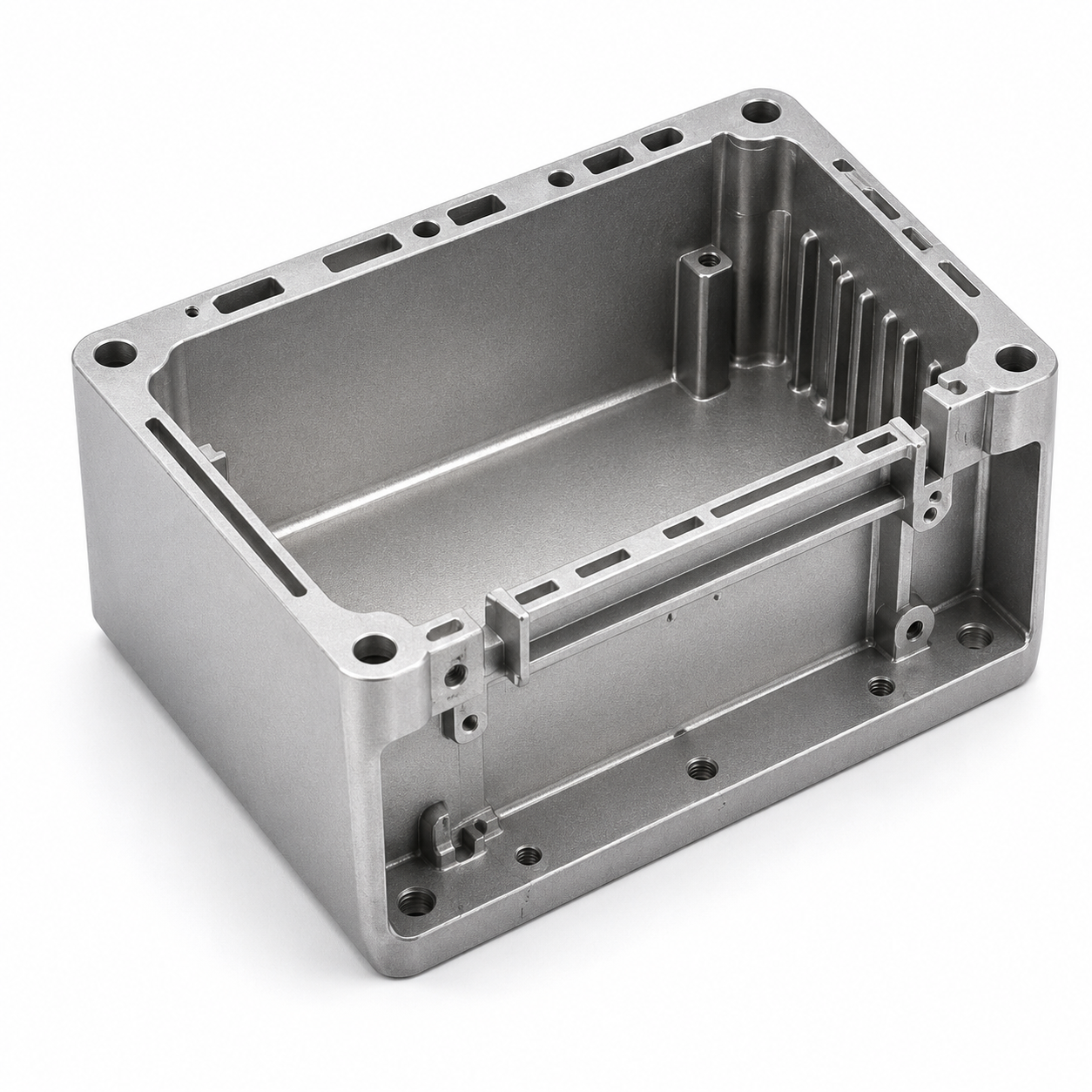
Housings and Enclosures
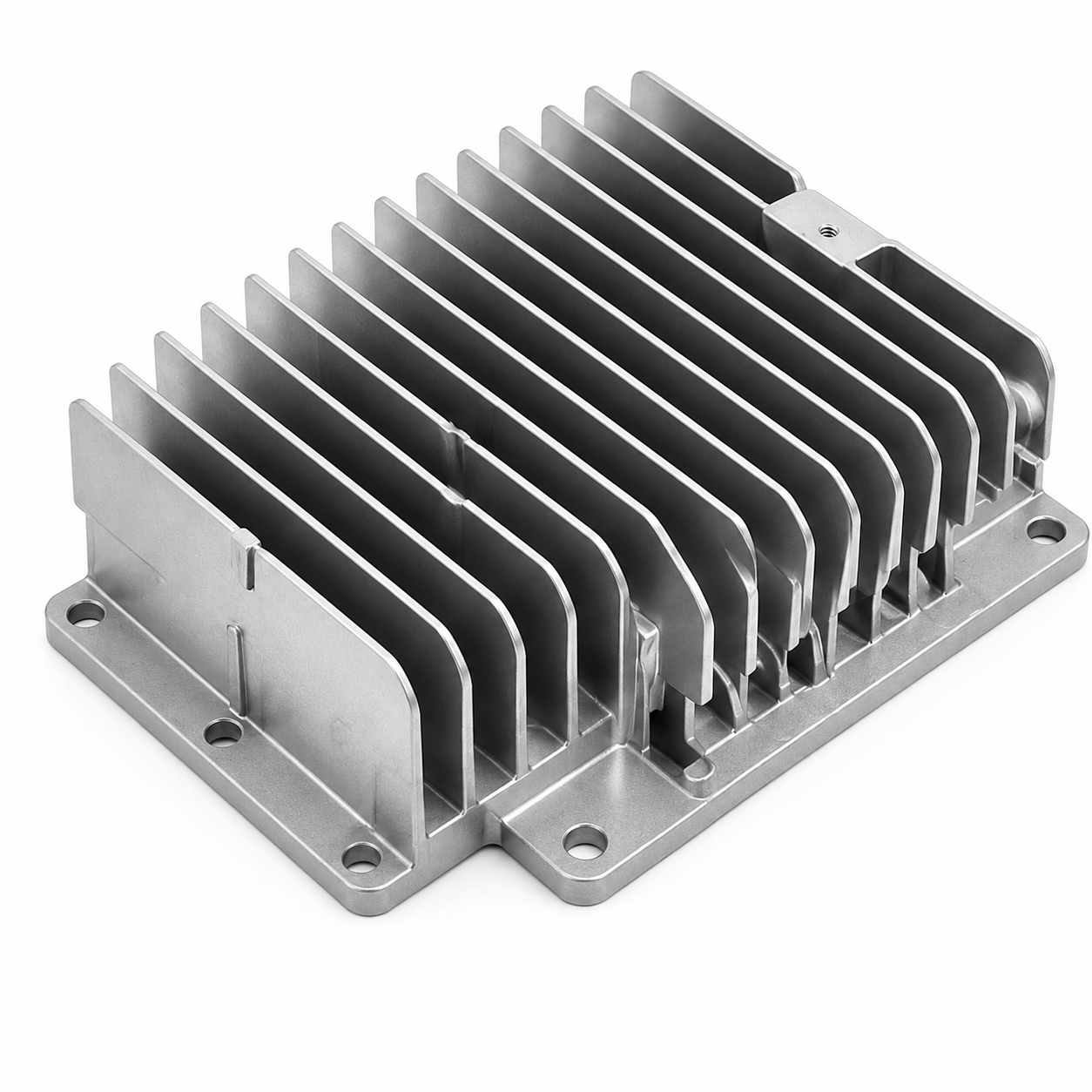
Heat Sinks
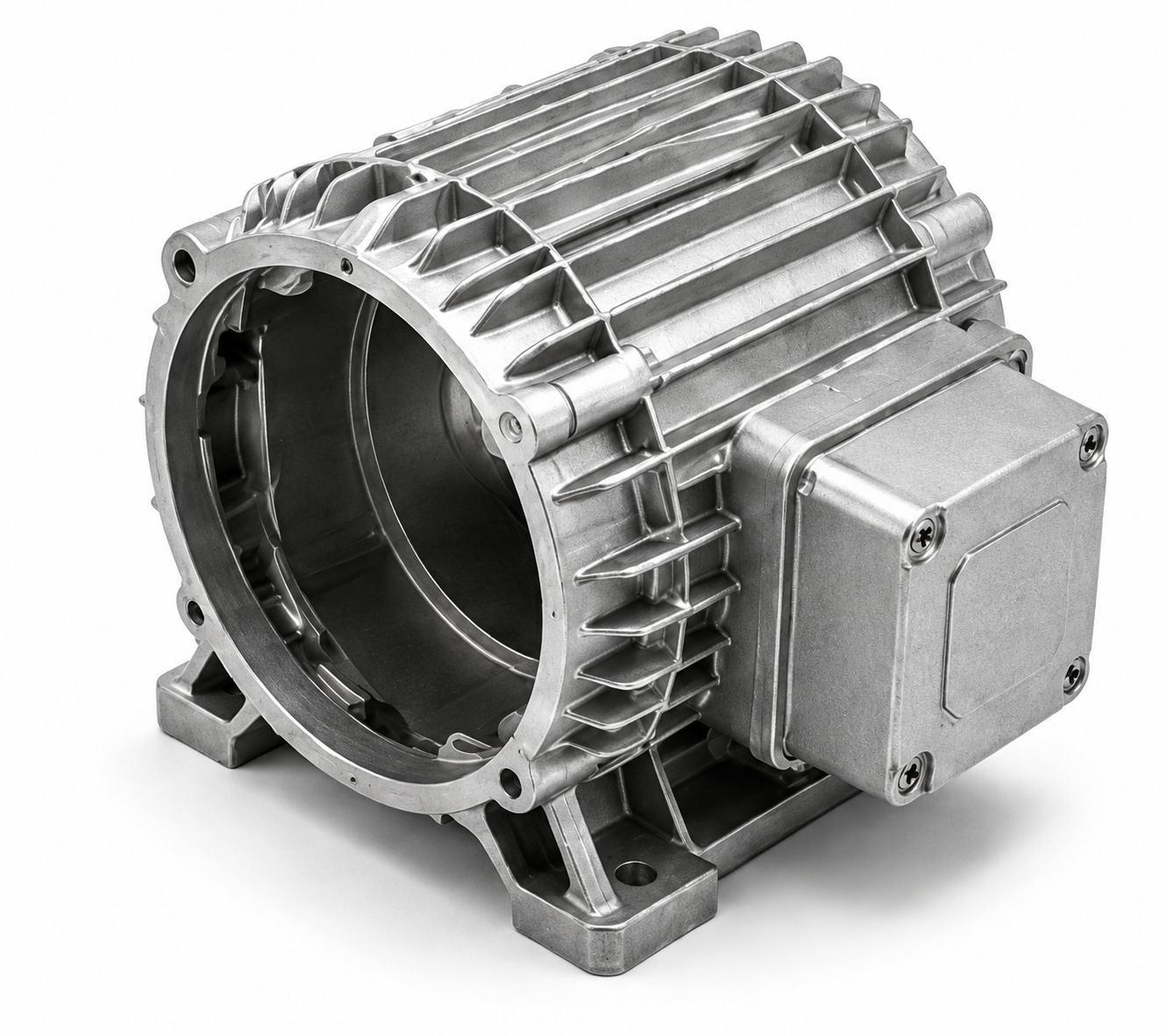
Motor Housings
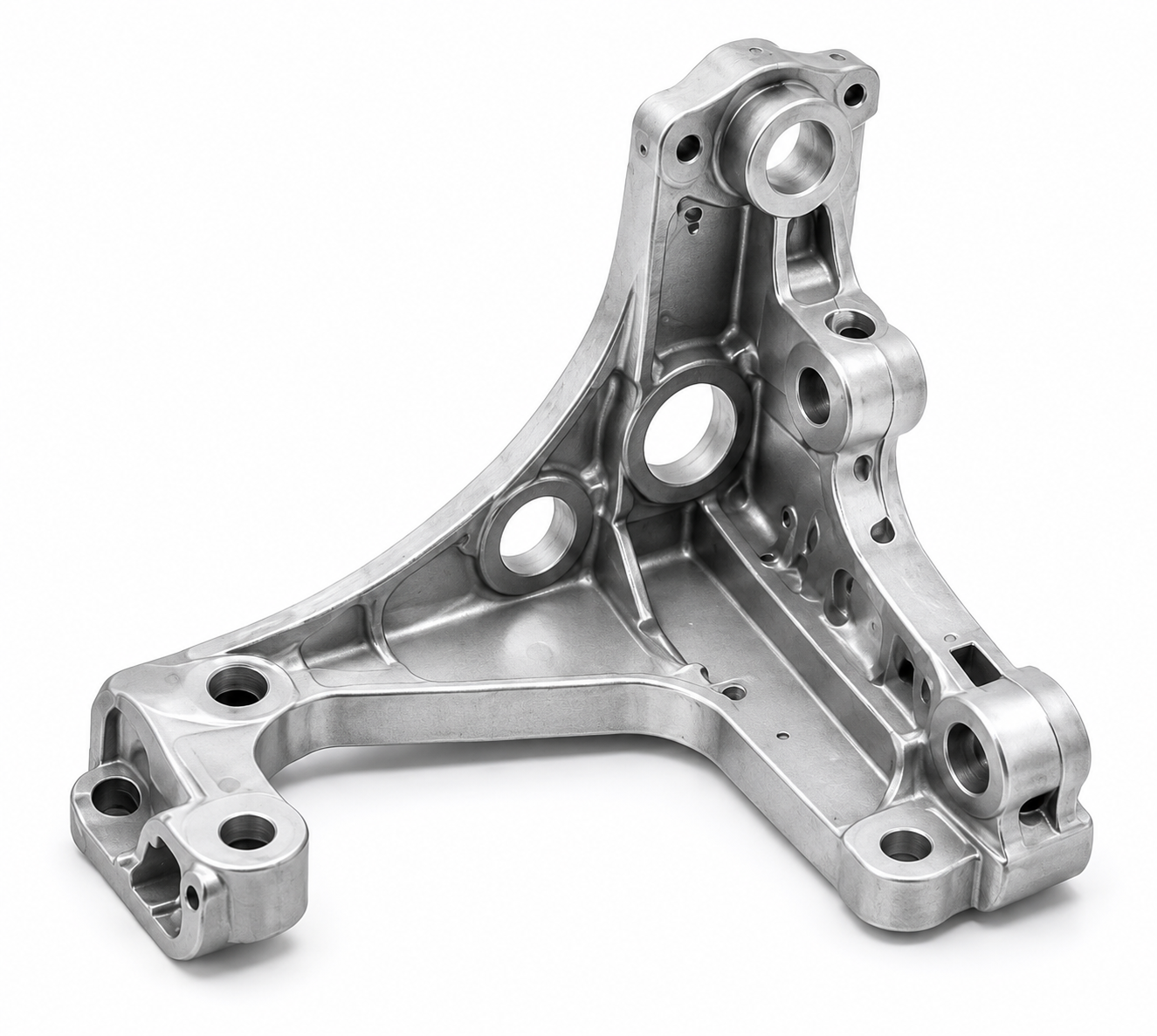
Automotive Brackets
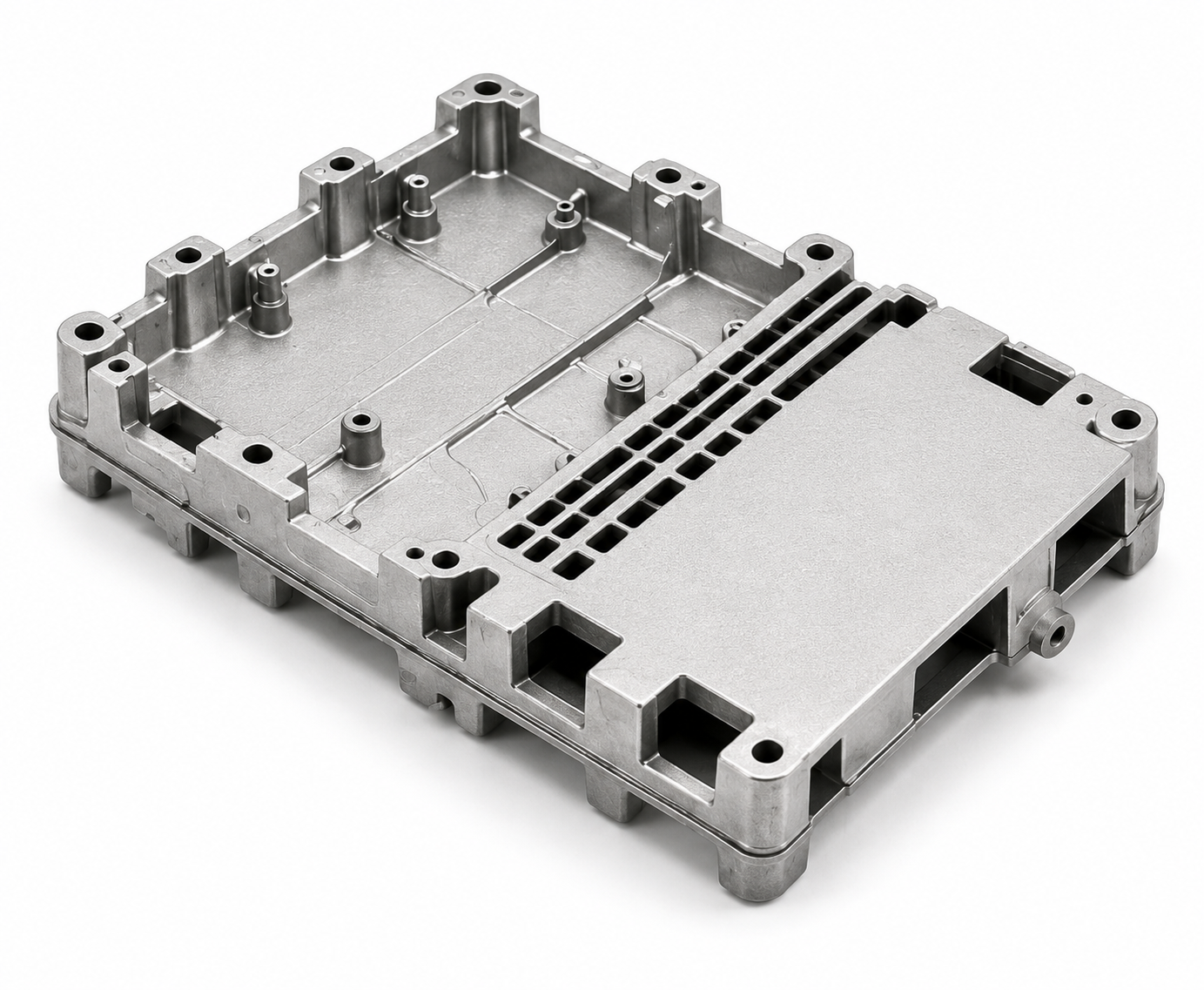
Electronics Housings
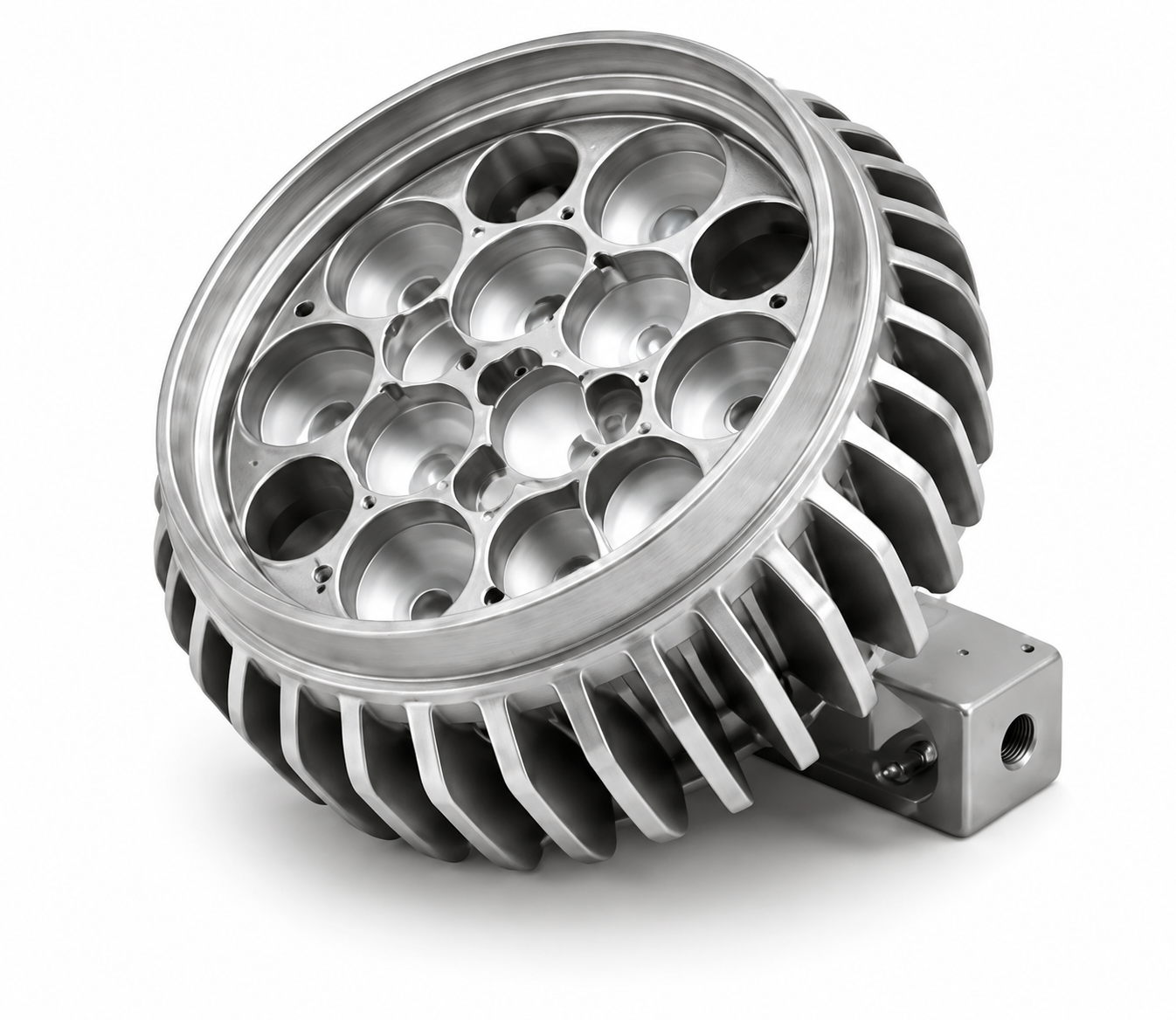
Lighting Components
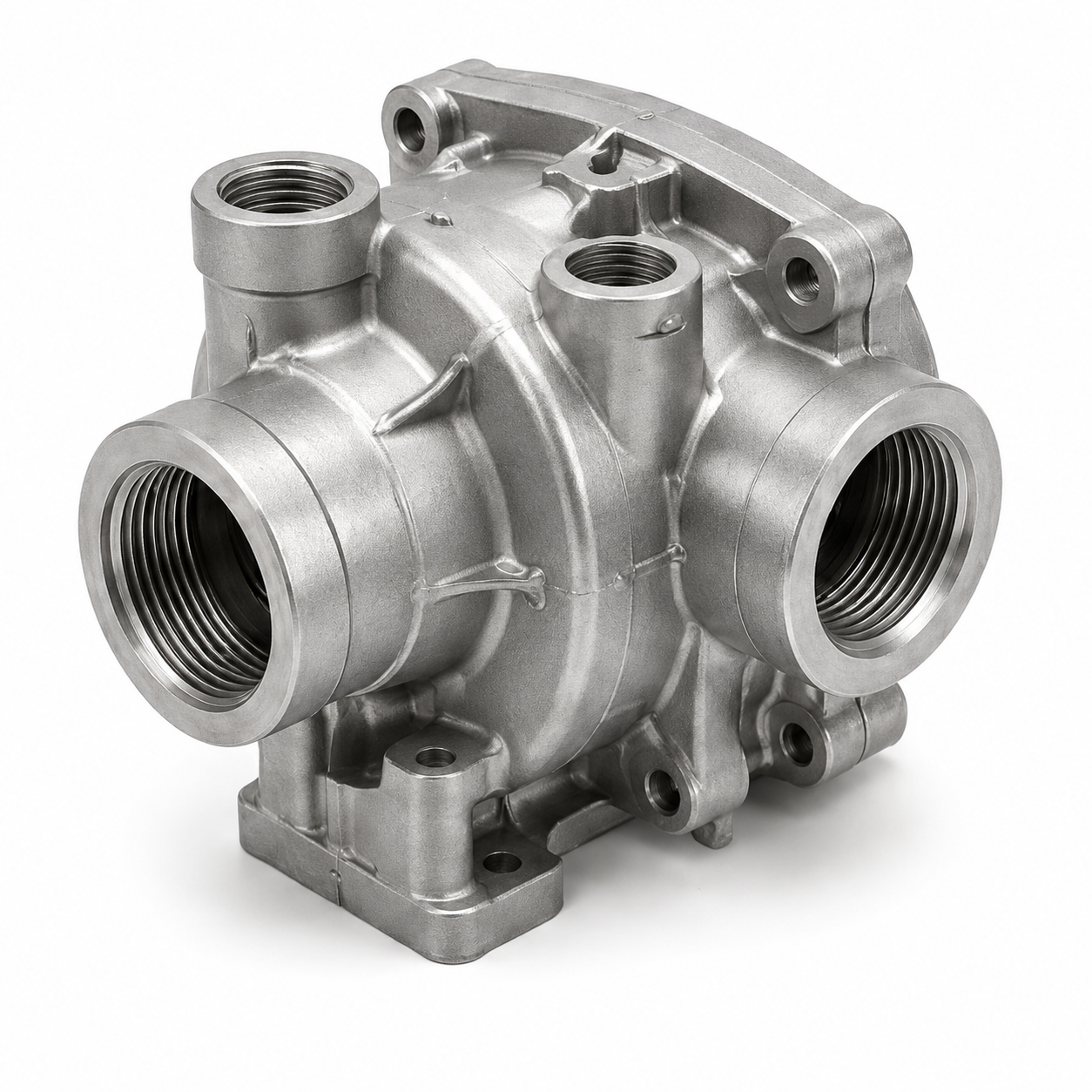
Pump and Valve Bodies
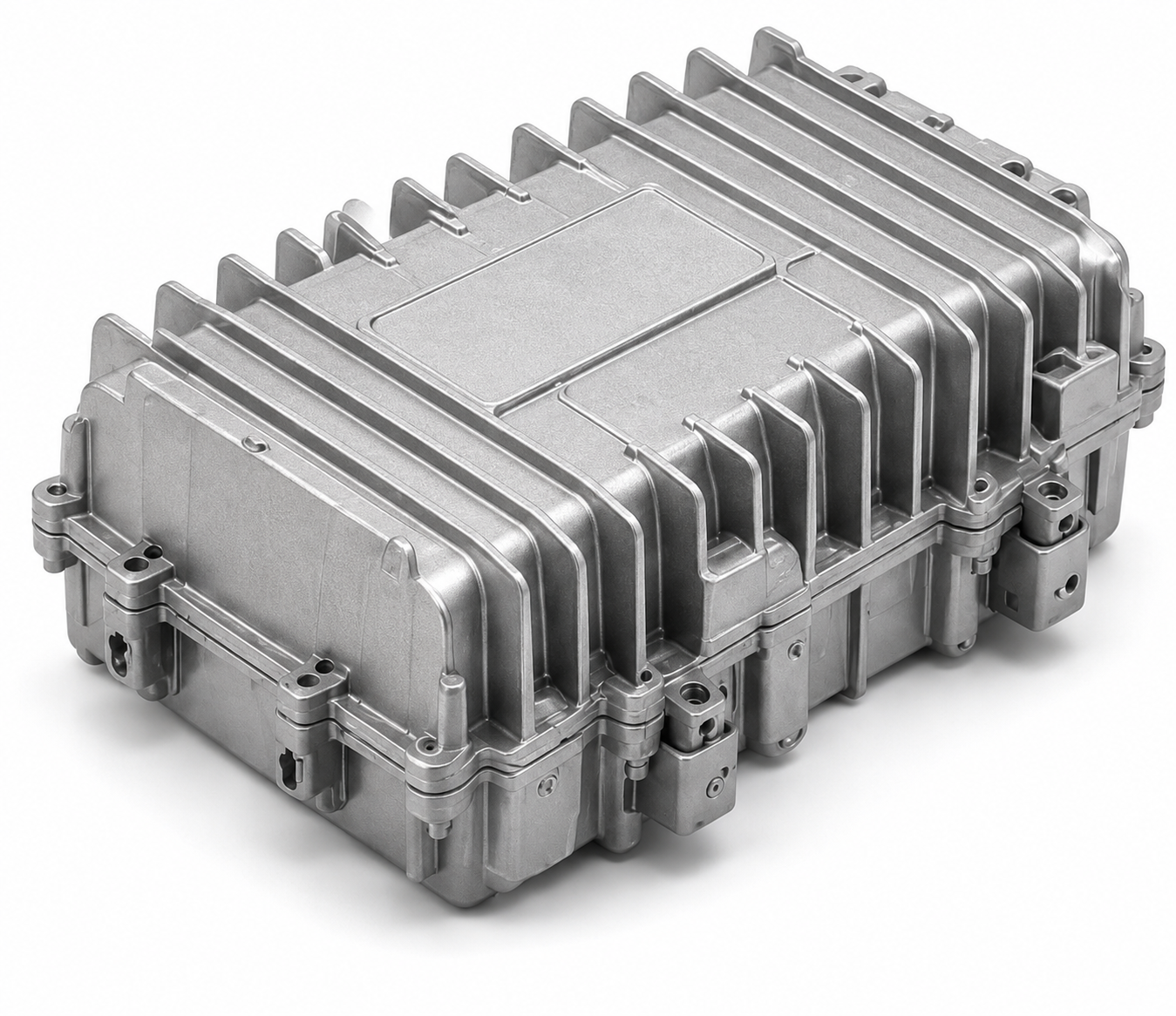
Telecommunications Enclosures
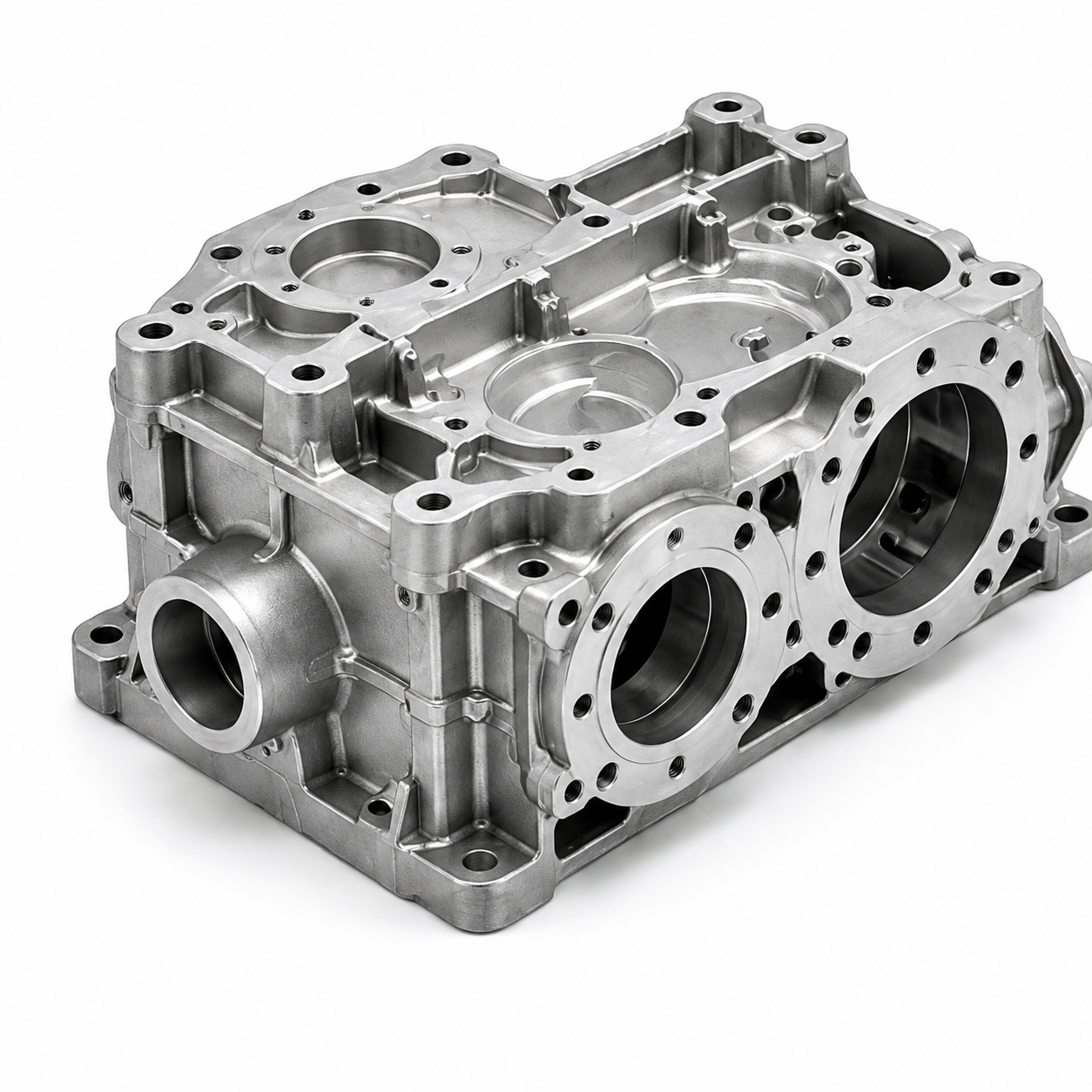
Industrial Equipment Parts
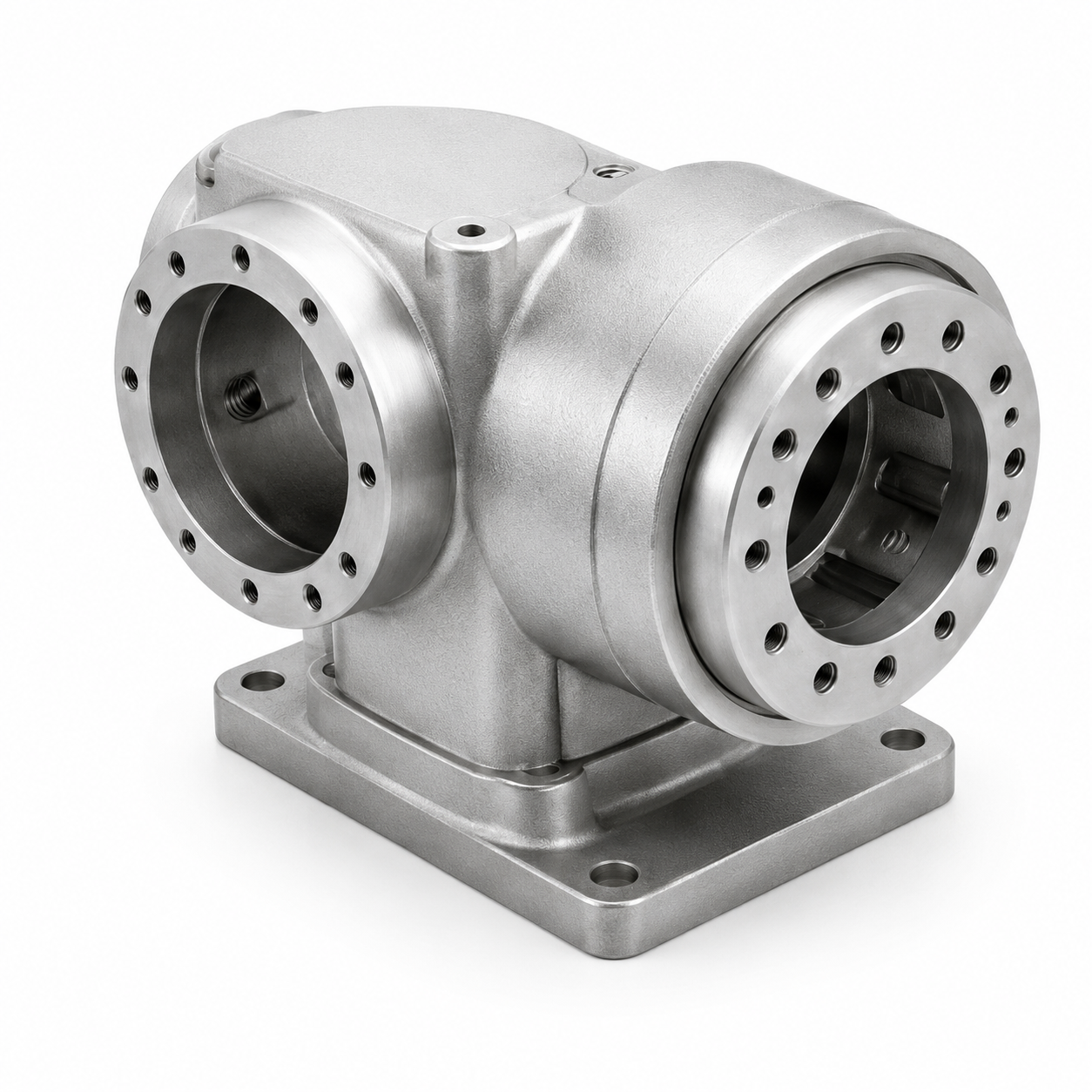
Robotics Housings
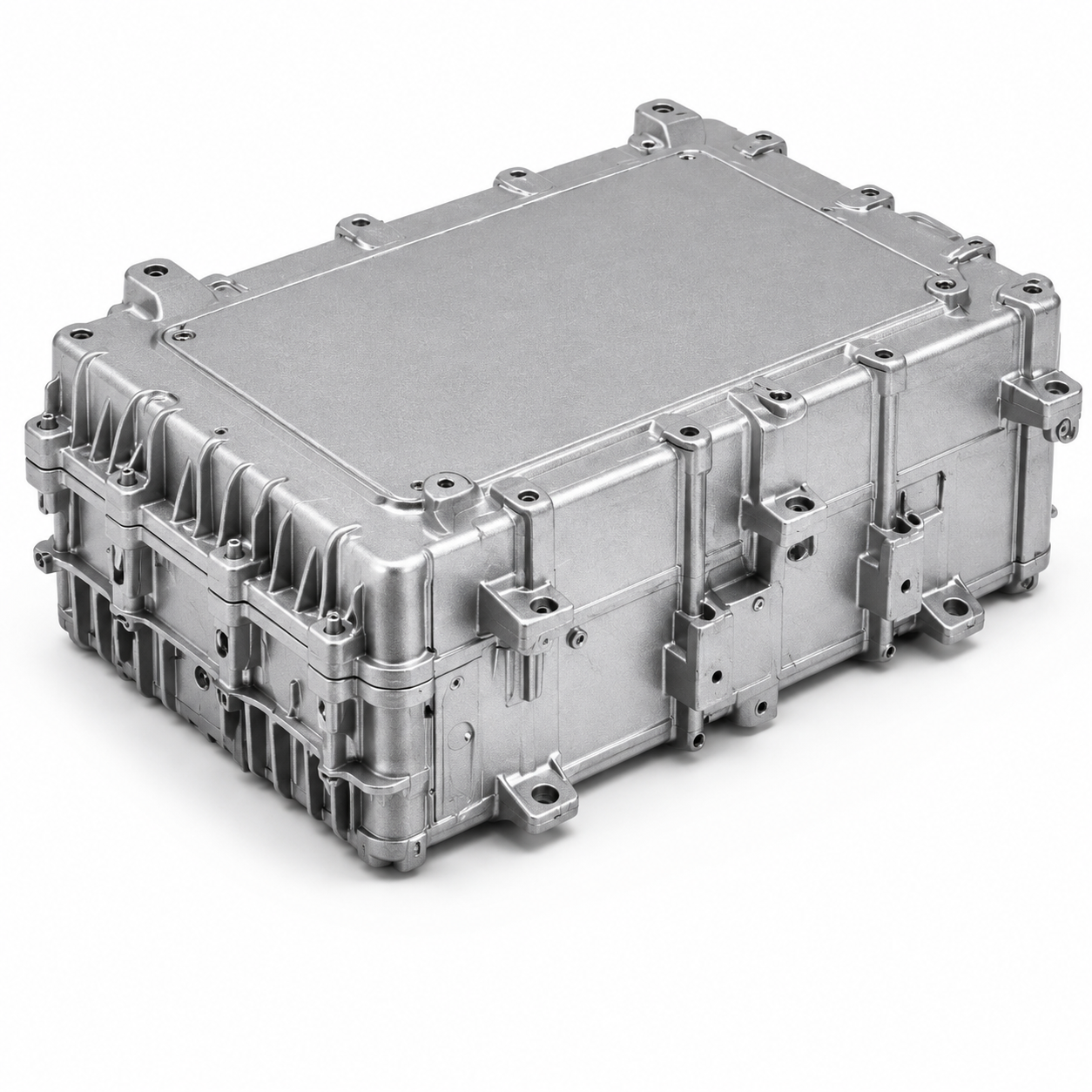
Energy Equipment Components
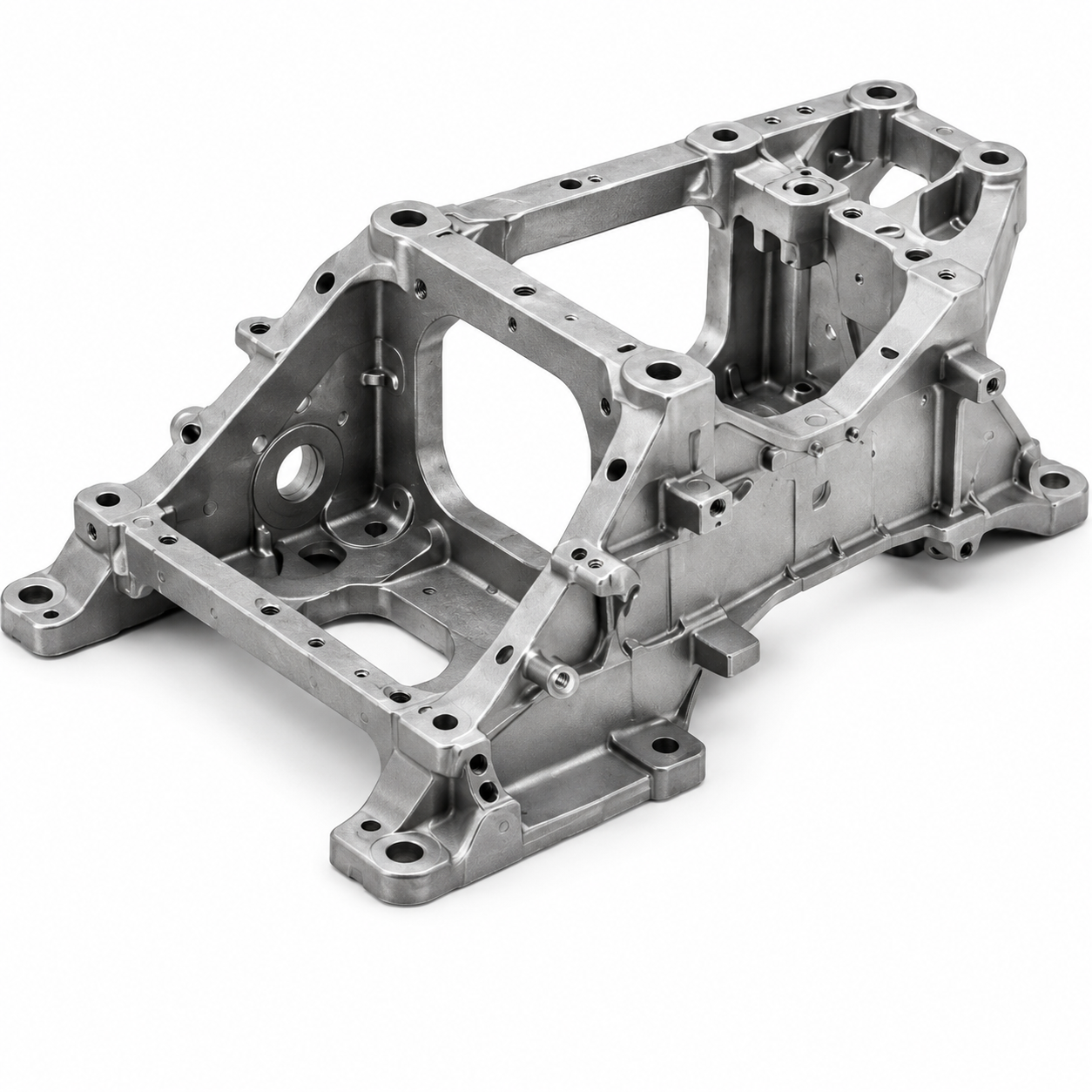
Custom Structural Parts
Why Choose Us for Aluminum Die Casting
Fast Engineering Review

Mold Design and DFM Support

Multiple Aluminum Alloy Options

Prototype to Production

Integrated CNC Machining
Surface Finishing and Assembly
Quality Inspection

Global Shipping
Advantages
Advantages of Aluminum Die Casting
Lightweight compared with steel and zinc
Good strength-to-weight ratio
Good thermal conductivity
Good electromagnetic shielding
Thin-wall capability
Complex near-net-shape geometry
Integrated fastening and mounting features
Good corrosion resistance
Cost-efficient at production volume


Rapid Prototyping
From Aluminum Die Cast Prototypes to Production
Prototype and Design Validation
CNC machining, rapid tooling or limited casting trials can support early verification.
Low-Volume Aluminum Die Casting
Bridge production, pilot runs and specialized programs.
Production Aluminum Die Casting
Recurring and high-volume manufacturing.
Aluminum Die Casting Mold Design and DFM Analysis
Our DFM review evaluates parting line, draft angle, wall thickness, ribs, bosses, gate and runner layout, venting, overflow, ejector pins, side actions, hot spots, cooling balance, porosity risk, machining allowance and leak-tight zones.
Why DFM Matters
DFM helps reduce porosity, cold shuts, flash, shrinkage, warpage, tooling changes and machining risk.
Surface Finishes for Aluminum Die Cast Parts
 As CastShot BlastingBead BlastingVibratory FinishingPolishingBrushingPowder CoatingWet PaintingE-CoatingChemical Conversion CoatingAnodizing for suitable alloysHard Anodizing for suitable alloysNickel PlatingChrome PlatingLaser MarkingSilk Screening

Aluminum Die Casting for Heat Sinks and Thermal Management
Aluminum die casting is widely used for LED lighting, power electronics, motor controllers, telecommunications equipment, automotive electronics and energy systems.
Important design factors include fin thickness, fin spacing, airflow, base thickness, machined thermal interfaces, flatness and coating impact on heat transfer.

Common Aluminum Die Casting Defects and Prevention
Typical defects include gas porosity, shrinkage porosity, cold shuts, misruns, flash, blisters, flow marks, warpage, cracks and ejector marks.
We reduce risk through proper gate and runner design, effective venting, vacuum assistance when required, stable melt and die temperature, controlled injection speed, balanced cooling and tool maintenance.

Leak-Tight Aluminum Die Cast Components
Leak-tight parts may include pump housings, valve bodies, fluid manifolds, electronics enclosures, motor housings and cooling components.
Quality methods can include porosity-focused DFM, vacuum-assisted casting, machined sealing faces, pressure-decay testing, air leak testing, water leak testing and impregnation when applicable.
Leak-tightness requirements must be specified during quotation and DFM.
Thin-Wall Aluminum Die Casting
Thin-wall casting can reduce weight and material use, but it requires careful alloy selection, gate design, injection speed, venting, mold temperature and flow analysis.
Final wall thickness must be confirmed through DFM and flow analysis.

Aluminum Die Casting vs CNC Machining
Aluminum Die Casting vs Sand Casting
CNC Machining for Aluminum Die Cast Parts
Design Guidelines for Aluminum Die Cast Parts
Keep wall thickness uniformAdd adequate draft angleUse ribs instead of thick wallsAvoid sharp internal cornersUse fillets and radiiMinimize deep undercutsConsider parting linePlan ejector pin locationsAdd machining allowanceDesign bosses carefullyAvoid isolated heavy sectionsDefine cosmetic surfacesUse realistic tolerancesIdentify leak-tight zonesTool Life
Aluminum Die Casting Mold Maintenance and Tool Life
Tool life depends on alloy temperature, part geometry, cycle count, mold steel, cooling and maintenance. Preventive maintenance should address thermal fatigue, heat checking, die lubrication, ejectors, slides, gate wear, runner wear and cooling channels.

Quality Assurance for Aluminum Die Cast Parts
Inspection Equipment
Key Inspection Items
DimensionsWeightFlatnessHole positionPorositySurface appearanceFlashWarpageMachined featuresThread qualityCoating thicknessLeak performanceAssembly fitREQUEST A QUOTE
Our Aluminum Die Casting Process
Send your drawing, material notes, quantity, and project details. We will review the part and provide a quotation with practical machining guidance.
1
Upload CAD Files
2
DFM Review
3
Alloy and Tooling Recommendation
4
Quotation
5
Mold Design
6
Tool Manufacturing
7
Mold Trial and Samples
8
Process Adjustment
9
Production Aluminum Die Casting
10
Trimming and Deburring
11
CNC Secondary Machining
12
Surface Finishing
13
Quality Inspection
14
Packing and Delivery
Start Your Aluminum Die Casting Project
Need custom aluminum housings, brackets, heat sinks, motor parts, electronics enclosures or industrial components? Upload your CAD files and requirements to receive a fast aluminum die casting quotation, DFM feedback and alloy recommendations.
Upload Drawing NowFrequently Asked Questions About Aluminum Die Casting
What is aluminum die casting?
Aluminum die casting injects molten aluminum alloy under high pressure into a reusable steel mold.
What aluminum die casting services do you offer?
DFM, mold design, tool manufacturing, casting, trimming, CNC machining, finishing, assembly and inspection.
What aluminum alloys can you die cast?
ADC12, A380, A360, AlSi9Cu3, AlSi10Mg and other customer-specified alloys.
What is the difference between ADC12 and A380?
Both are common die casting alloys with good castability. Selection depends on mechanical, corrosion, machining and regional specification requirements.
Do you provide mold design and manufacturing?
Yes. Mold design, DFM and tool manufacturing are available.
Do you provide DFM analysis?
Yes. We review wall thickness, draft, gates, venting, cooling, parting line, porosity risk and machining allowance.
Can you make prototypes?
Prototype evaluation may use CNC machining, rapid tooling or limited casting trials depending on the project.
Do you support low-volume aluminum die casting?
Yes, when tooling economics and project requirements make the process suitable.
What wall thickness can you achieve?
Common guidance is approximately 1.5–4.0 mm, but final capability depends on alloy, size, flow length and geometry.
What tolerances can you achieve?
Tolerance depends on alloy, size, geometry and whether critical features receive CNC machining.
Can aluminum die cast parts be CNC machined?
Yes. Precision holes, threads, bores, sealing faces and bearing seats can be machined after casting.
What surface finishes are available?
Shot blasting, bead blasting, powder coating, painting, conversion coating, polishing, plating and laser marking are available.
Can you produce heat sinks?
Yes. Aluminum die casting is widely used for heat sinks and thermal-management housings.
Can you produce leak-tight housings?
Yes, when leak-tight requirements are defined early and supported by DFM, process control, machining and testing.
How do you reduce porosity?
Gate design, venting, vacuum assistance, melt and die temperature control, injection parameters and process monitoring help reduce porosity.
What CAD files do you accept?
STEP, STP, IGES, X_T, SLDPRT, STL, DWG, DXF and PDF drawings.
Do you provide inspection reports?
Yes. Dimensional, material, trial, coating and leak-test reports can be provided when requested.
Do you ship globally?
Yes. We supply customers worldwide.
Are you an aluminum die casting factory or a trading company?
We are direct aluminum die casting factory in China. We operate our own die casting machines, tooling workshop, CNC machining and finishing lines in-house — you work directly with the manufacturing team, not through a trading agent or middleman.
