Skip to main content Skip to footer
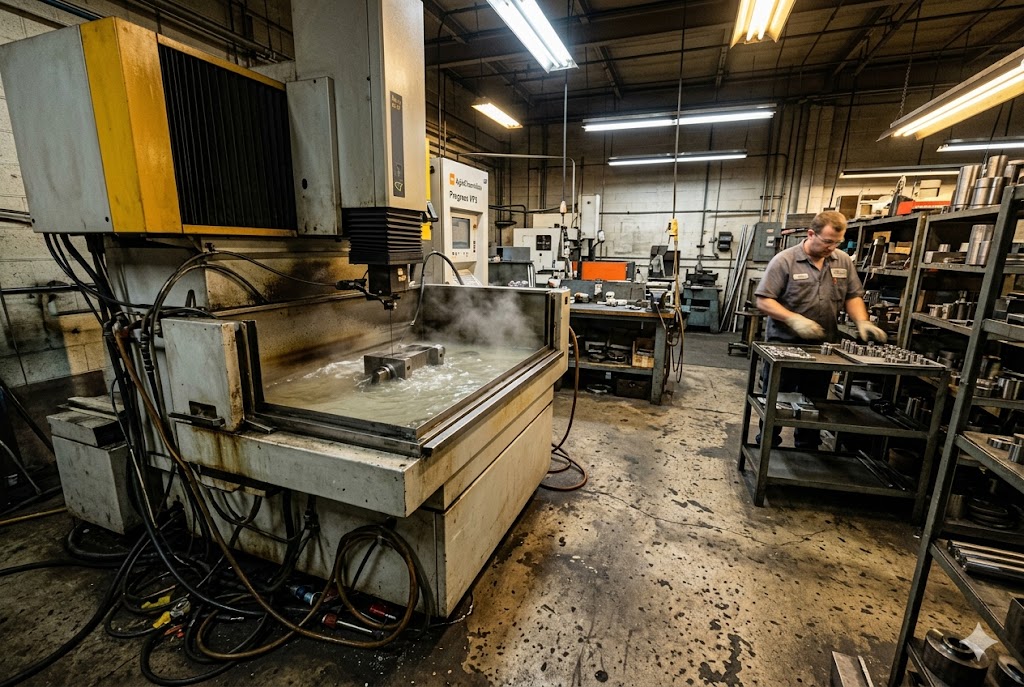
At our factory, rust spots on freshly cut wire EDM parts1 always raise a red flag before shipment. Left untreated, oxidation can spread fast and trigger costly rejections at final inspection.
Handle rust on wire EDM parts by blowing them dry with compressed air right after cutting, wiping with isopropyl alcohol, treating any oxidation with a phosphoric acid-based rust remover, then applying a rust preventive coating or VCI packaging before storage to stop further corrosion.
That's the short answer. Let's look at why this happens and how to manage it at each stage, from the EDM tank to the export carton.
What cleaning process removes EDM recast layer and oxidation from part surfaces?
Our team gets this question almost every week. Customers want clean, oxide-free surfaces, but the right cleaning method depends on what you are actually trying to remove.
The right cleaning process depends on the goal. Phosphoric acid rust removers strip surface oxidation in 1-10 minutes without harming steel. For full recast layer removal, electropolishing strips material isotropically at high precision, removing micro-cracks and oxide-rich layers down to the base metal.
What is the recast layer?
When a wire cuts through steel, the heat melts a thin layer on the surface. This layer cools fast and forms what we call the recast layer, or white layer2. It is usually 2 to 25 microns thick. It is not the same as normal rust. It contains iron oxides, carbides, and small bits of the brass or zinc wire. This is why a freshly cut part can look discolored even before it sits in storage.
Cleaning methods compared
Here is how the common cleaning methods stack up for EDM parts.
| Method | What it removes | Time needed | Best for |
|---|---|---|---|
| Compressed air + alcohol wipe | Surface moisture, light residue | 1-2 minutes | Early rust prevention right after cutting |
| Phosphoric acid rust remover3 | Iron oxide (rust) | 1-10 minutes | Steel and stainless parts with visible rust |
| Electropolishing | Recast layer, micro-cracks, rust | 5-20 minutes | Aerospace, medical, semiconductor parts |
| Mechanical polishing/blasting | Surface roughness, scale | Varies | Cosmetic finishing, not precision tolerances |
When electropolishing makes sense
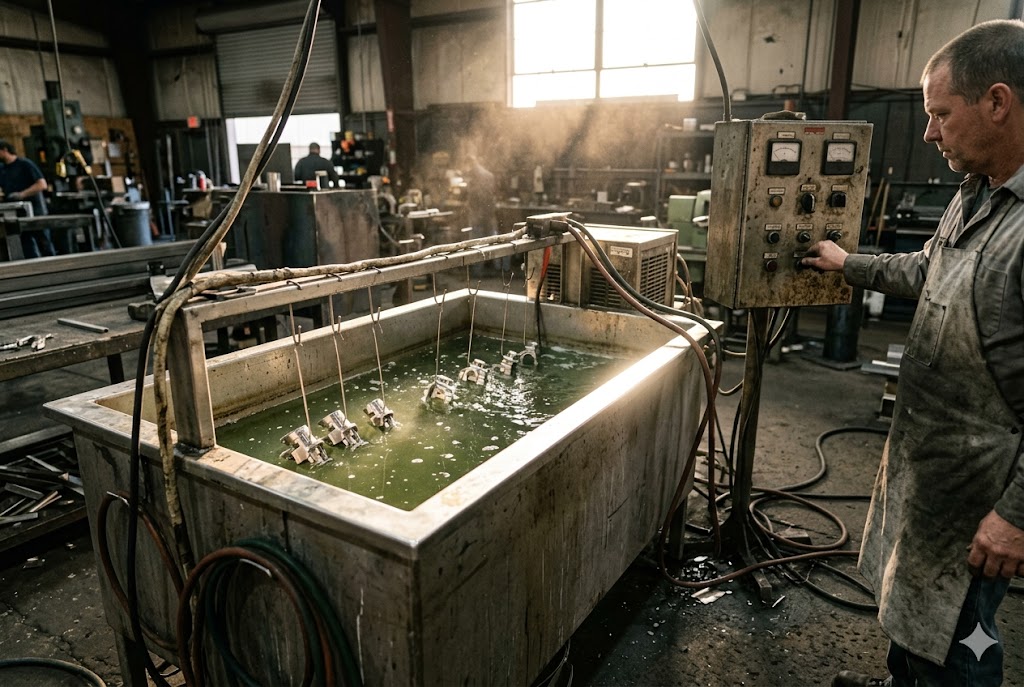
If your drawing calls for tight tolerances, like ±0.005 mm, and surface integrity matters for fatigue life, electropolishing4 is the safer choice. It removes material evenly from all surfaces, including inside slots and holes, and it leaves the part passivated5. Phosphoric acid treatment is faster and cheaper, but it only deals with rust. It does not remove the recast layer underneath.
We always tell clients: if your part is going into a critical assembly, ask your supplier which method they use, and ask for before-and-after photos. A clean-looking part is not always a fully treated part.
Should anti-rust coating be applied before or after dimensional inspection?
In our workshop, this question comes up a lot, especially with new clients who want extra protection on parts right away. The order matters more than people think.
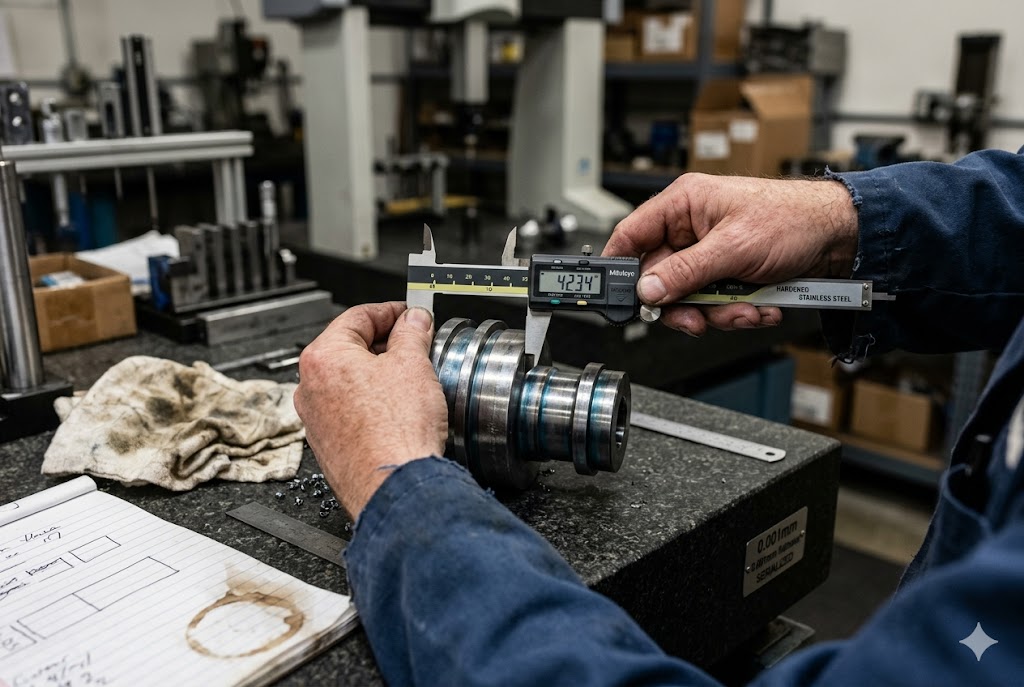
Anti-rust coating should be applied after dimensional inspection, not before. Inspectors need clean, bare surfaces to measure accurately and to spot pitting or recast-layer damage. Once inspection passes, apply rust preventive oil or VCI treatment before packing to protect parts during shipping and storage.
Why inspection comes first
A coating, even a thin oil film, adds a layer on top of the metal. This can throw off measurements taken with calipers, micrometers, or CMM probes. Worse, a coating can hide small pits, scratches, or discoloration that an inspector needs to see. If rust has already started, it can hide early signs of corrosion that has gone past the recast layer into the base metal.
Coating options after inspection
Once a part passes inspection, here are common protection choices.
| Coating type | Protection level | Removable before use? | Typical use case |
|---|---|---|---|
| Light rust preventive oil | Short term (weeks) | Yes, easy wipe-off | Domestic transport, fast assembly |
| Heavy rust preventive grease | Medium term (months) | Yes, with solvent | Sea freight, longer storage |
| VCI paper or film | Medium to long term | Yes, no residue | Export packing, sensitive surfaces |
| Phosphate conversion coating | Long term | No, permanent | Parts staying in storage for years |
Special case: early rust after cutting
Sometimes rust shows up within minutes of a part coming off the EDM machine. This is usually not a defect. It happens when dielectric fluid6 is trapped in slots, holes, or corners and the part is not dried fast enough. If the discoloration is light blue-gray and even, it is likely limited to the recast layer and is not a structural problem. But if you see orange-brown rust with pitting or flaking, that is a sign the corrosion has gone into the base metal. In that case, we recommend re-checking dimensions before accepting the part, since material loss on a tight-tolerance surface can push it out of spec.
How do I specify rust prevention and cleaning standards in my supplier quality plan?
Over the years, we have learned that vague instructions lead to vague results. If a quality plan does not spell out cleaning and rust steps, suppliers will assume their normal process is good enough.
A solid quality plan should state the maximum allowable dry time after cutting, require a specific cleaning method such as alcohol wipe or phosphoric acid treatment, prohibit visible rust or discoloration at shipment, and require VCI packaging with documentation checked at the pre-shipment inspection stage.

Key clauses to include
A written quality plan turns "please be careful" into something a supplier can actually follow and a buyer can actually check. Here are the clauses we recommend including.
| Clause | What to specify | Why it matters |
|---|---|---|
| Dry time after cutting | Max time (e.g. 15-30 minutes) before parts must be dried | Stops early rust from trapped dielectric fluid |
| Cleaning method | Alcohol wipe, phosphoric acid soak, or electropolish | Sets a clear, repeatable process |
| Acceptance criteria | No visible rust, no orange-brown discoloration | Removes guesswork from PSI checks |
| Packaging requirement | VCI film, desiccant, sealed bags | Protects parts during transit and storage |
| Documentation | Supplier records dry time and rust treatment used | Creates a paper trail for accountability |
Auditing your supplier's process
Specifying the standard is only step one. We also recommend checking how a supplier actually runs their process, especially for steel parts cut on unattended overnight shifts. Two things go wrong most often: the EDM machine is missing an anti-electrolysis generator7, which lets stray current speed up rust formation, and parts sit in the tank or on a rack without drying once the cycle ends. Neither of these gets reported by the supplier on their own. Adding a simple checklist item to your factory audit, asking to see the anti-electrolysis setting and watching how parts are handled right after a cut finishes, can catch this early. Tie the rust prevention clause to your pre-shipment inspection8 milestone and payment release. This gives the supplier a real reason to follow the process every time, not just when an inspector is in the building.
Which surface protection method is best for wire EDM parts stored before assembly?
When parts leave our factory and sit in a warehouse for weeks or months before assembly, we have to think ahead about how they will hold up.
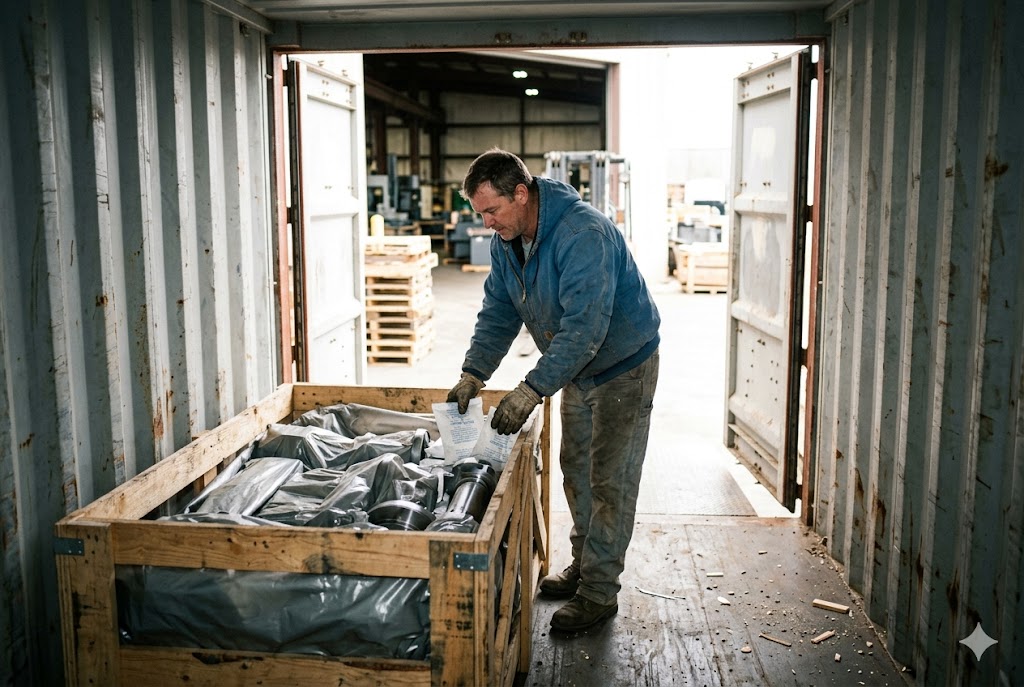
For short-term storage, a light rust preventive oil works well. For longer storage or export shipping, VCI (vapor corrosion inhibitor) film or bags give better protection because they release a protective vapor that coats every surface, even inside holes and slots, without leaving residue.
Matching protection to storage time
Not every part needs the same level of protection. A part going straight into assembly next week does not need the same treatment as a part that will sit in a container for two months crossing the ocean.
| Storage duration | Recommended method | Notes |
|---|---|---|
| Days to 1 week | Clean and dry, no coating needed | Keep parts in sealed bags away from humidity |
| 1-4 weeks | Light rust preventive oil | Easy to wipe off before use |
| 1-6 months | VCI film, paper, or bags | Reaches into slots and holes, no oily residue |
| 6+ months or export | VCI plus desiccant, sealed container | Best for sea freight and long-term stock |
Why VCI works well for complex shapes
Many custom mechanical parts have small holes, slots, or threaded features. Oil and grease can pool in some areas and miss others, especially in deep, narrow spaces. VCI9 products work differently. They release a vapor inside a sealed bag or wrap, and this vapor settles on every metal surface inside, even areas that are hard to reach with a brush or spray. This makes VCI a good fit for parts with complex geometry, which is common with custom EDM work.
A note on humidity and shipping routes
If your parts are shipping from China or Vietnam to the US by sea, they will pass through humid ports10 and sit in containers that can sweat with temperature changes. Even a part that looked fine when it left the factory can develop rust during a long sea voyage if the packaging was not right. We always recommend asking your supplier what packaging they use for sea freight specifically, not just their standard domestic packing. A small extra cost on VCI bags is much cheaper than dealing with rusted parts at the destination.
Conclusion
Rust on EDM parts is manageable. Clean fast, inspect on bare metal, write clear standards, and pick the right storage protection for your shipping route.
Footnotes
1. Overview of wire EDM machining principles, process, and applications. ↩︎
2. Learn how electropolishing removes the EDM recast layer down to clean base metal. ↩︎
3. Guide to using phosphoric acid safely and effectively for rust removal on steel. ↩︎
4. Compare electropolishing and passivation methods for corrosion-resistant, precision metal surfaces. ↩︎
5. Comparison of passivation and electropolishing for corrosion resistance on stainless steel. ↩︎
6. How dielectric fluid cools, insulates, and flushes debris during wire EDM cutting. ↩︎
7. Overview of anti-electrolysis power supplies and their role in reducing wire EDM corrosion. ↩︎
8. Guide to pre-shipment inspection procedures for verifying product quality before shipment. ↩︎
9. Explanation of how vapor corrosion inhibitor packaging protects metal parts during storage. ↩︎
10. How humidity and condensation inside shipping containers cause corrosion during transit. ↩︎