Our Blog
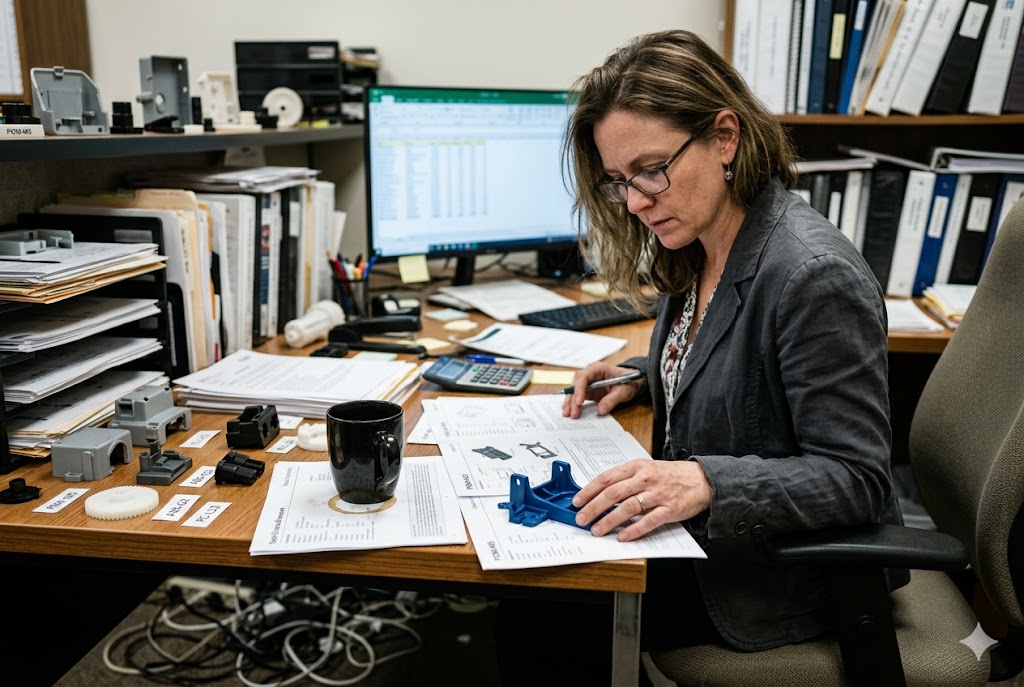
When Importing Custom Injection-Molded Parts from China, How Do Additives Like Flame Retardants and Glass Fiber Affect Performance?
Every year, our team processes hundreds of sourcing projects for custom injection-molded parts. One issue we see repeatedly — and one that causes real losses — is buyers not knowing…

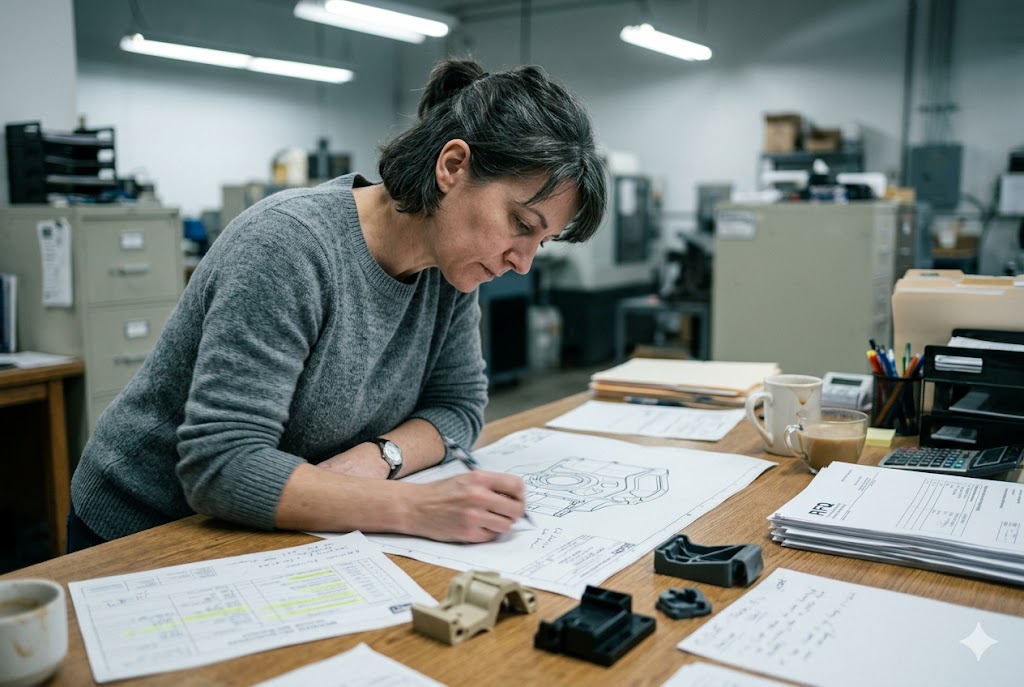
When Importing Custom Injection-Molded Parts from China, Which Engineering Plastics Are Suitable for High-Temperature or High-Strength Applications?
Every year, we help clients source injection-molded parts that have to perform under real stress — high heat, heavy loads, tight tolerances. When those requirements show up in a drawing,…
When Importing Custom Injection-Molded Parts from China, How Do I Manage Color Consistency Using Pantone Codes?
Color failures are expensive. We see it repeatedly when new clients come to us after a first production run from a previous supplier — parts arrive looking nothing like the…
When Importing Custom Injection-Molded Parts from China, What Are the Compliance Requirements for Food-Grade or Medical-Grade Materials?
We've seen it happen more than once: a shipment of injection-molded parts clears Chinese customs, arrives at a US port, and gets detained because the paperwork doesn't match the regulatory…
When Importing Custom Injection-Molded Parts from China, Do Materials Comply with RoHS and REACH Regulations?
Every week, our team reviews supplier documentation for clients importing plastic components from China. The same problem appears repeatedly: a factory lists "RoHS compliant" in its product catalog, but when…
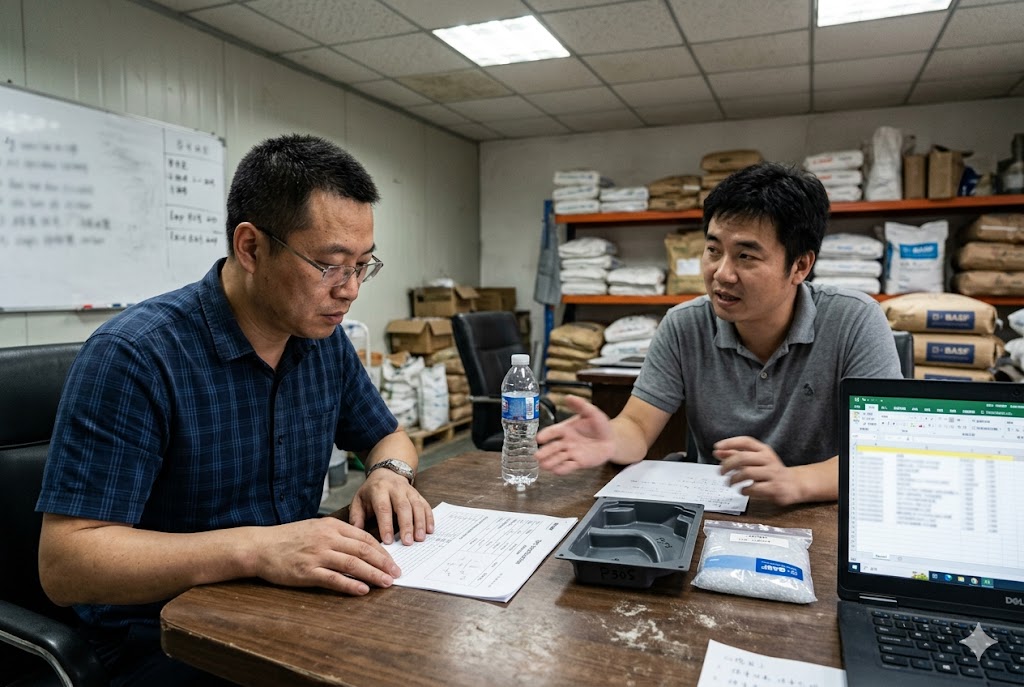
Can You Specify Brand-Name Resins Like BASF or DuPont When Importing Injection-Molded Parts from China?
We handle injection molding programs across dozens of Chinese factories every year, and the question of branded resin always comes up. Buyers specify DuPont or BASF, suppliers quote a local…