Our Blog
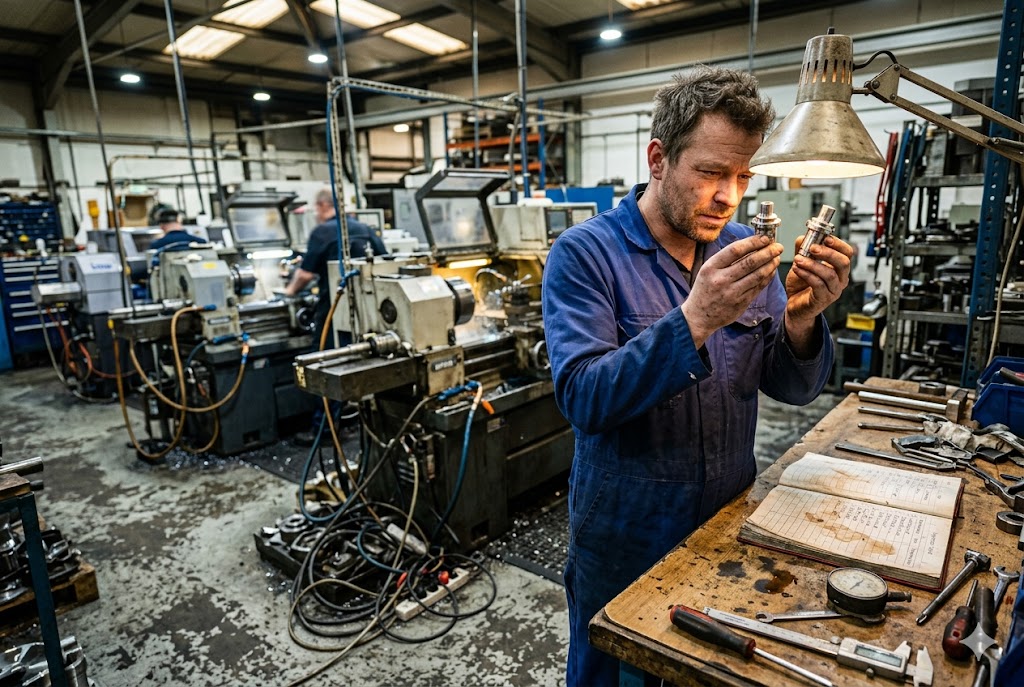
What Is the Difference Between 303 and 316L Stainless Steel in Machinability and Corrosion Resistance?
Buyers often request "stainless steel" without specifying a grade — and that single omission can lead to parts that corrode in weeks or cost twice as much to machine. 303…

Can I Require a Chinese Swiss CNC Factory to Hold ISO 9001 or IATF 16949 Certification?
At our workshop in Ningbo, we hear this question every week from US buyers worried about quality gaps. Certification confusion costs you real money when shipments fail inspection. Yes, you…
How Should Nonconforming Part (NCR) Handling Procedures and Compensation Terms Be Agreed Upon in My Contract?
We have seen orders derail — not because parts were bad, but because the contract said nothing clear about what happens next. Without a defined NCR clause, suppliers stall, buyers…
How Do I Define Cleanliness Requirements for Swiss CNC Parts Used in Hydraulic or Medical Applications?
We have rejected entire shipments of Swiss-turned parts that looked perfect on the outside — only to find they failed cleanliness extraction tests. Buyers rarely know what to specify, and…
How Should Deburring and Chamfering Standards Be Defined in My Contract With a Chinese Swiss CNC Supplier?
Last month a client sent me photos of burrs jamming O-ring seats on 5,000 Swiss-turned pins. The contract just said "deburr all edges." That vague line cost them a recall.…
How do I verify material compliance using a mill certificate and spectrometer analysis?
In our factory, one bad batch of mismatched alloy can stop a customer's whole production line. That fear drives every check we run. You verify material compliance by matching the…